Choosing the right wound dressing is one of the most important steps in helping a wound heal properly. The wrong dressing can slow healing, increase the risk of infection, or cause unnecessary pain during dressing changes.
In this article, we walk through the most common types of wound dressings, what they are designed to do, and how to choose the right one for home care.
Why the Right Wound Dressing Matters
Wound dressings do much more than simply cover a wound. They create the right environment for the skin to repair itself by managing moisture levels, protecting against bacteria, and supporting new tissue growth.
Wounds that are kept in a moist but not overly wet environment tend to heal faster than those left to dry out. When moisture is properly balanced, skin cells can migrate across the wound surface more easily, which speeds up the process of closure.
Using the wrong dressing can have real consequences. A dressing that is too dry may cause the wound to crust over prematurely, while one that traps too much moisture can lead to maceration, a condition where the surrounding skin becomes soft and breaks down.
Knowing what each dressing type does and when to use it can make a measurable difference in recovery outcomes.
For those living in Ohio who require mobile or home wound care services, we at Inspiring Minds Wound Care provide certified, evidence-based treatment delivered directly to patients in the comfort of their homes. Our services address a wide range of needs, including chronic wound management, diabetic foot care, pressure injury prevention, and post-surgical wound care.
Each treatment plan is developed by experienced specialists and tailored to the patient’s unique condition, individual needs, and personal healing goals.
Types of Wound Dressings and Their Uses
Understanding the different types of wound dressings begins with knowing that each category is designed for a specific wound condition. The key factors that guide dressing selection include the amount of fluid the wound is producing (exudate level), whether the wound shows signs of infection, the depth of the wound, and the condition of the tissue inside it. A dressing that works well for a shallow, lightly draining wound may be completely wrong for a deep, heavily draining one.
Below is a breakdown of the most commonly used wound dressing types, along with the wound conditions they are best suited for:
Gauze Dressings
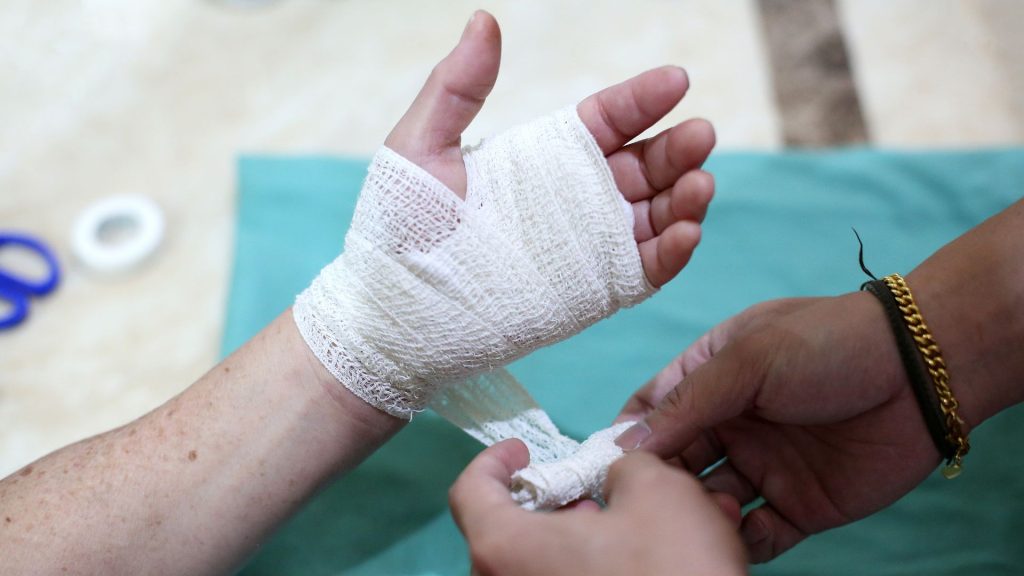
Gauze dressings are among the most familiar and widely available options. They work well for minor cuts, abrasions, and shallow post-surgical wounds with little drainage. While affordable and easy to find, gauze dressings typically require more frequent changes and do not retain moisture as effectively as other dressing types.
Foam Dressings
They are made from soft polyurethane material that absorbs moderate to heavy wound drainage without allowing the wound to become overly saturated. They are a popular choice for pressure injuries and chronic wounds because they can stay in place for several days and provide a cushioning effect.
Hydrocolloid Dressings
This type of dressing contains a gel-forming layer that keeps the wound moist while protecting it from outside contaminants. They work best on wounds with minimal to moderate drainage, such as mild pressure ulcers or minor burns. Because they lower the wound’s pH level, they also help create an environment that discourages bacterial growth.
Hydrogel Dressings
Hydrogel dressings are water- and glycerin-based products that add moisture back to wounds that are too dry. They are particularly useful for necrotic wounds (where dead tissue is present) because they support a process called autolytic debridement, which allows the body to soften and break down dead tissue on its own. They also have a soothing, cooling effect that can reduce discomfort.
Alginate Dressings
These are made from seaweed fibers and are designed to manage heavy wound drainage. When they come in contact with wound fluid, they form a soft gel that helps maintain a moist healing environment. They are commonly used for diabetic foot ulcers and other highly exudative chronic wounds.
Transparent Film Dressings
Transparent film dressings are thin, clear, self-adhesive membranes that are permeable to oxygen but act as a barrier against liquid and bacteria. They work well for shallow wounds, skin tears, or as a secondary layer over other dressings. A key advantage is that the wound can be monitored without removing the dressing.
Antimicrobial Dressings
These are infused with agents such as silver, cadexomer iodine, or polyhexamethylene biguanide (PHMB) to target bacteria directly within the wound. They are typically used when a wound shows early signs of infection or is at high risk for developing one. These dressings should generally be used with the guidance of a wound care professional.
Collagen Dressings
This kind of dressing supports healing by providing a structural framework that encourages the growth of new tissue. They are available in several forms, including pads, sheets, and powders, and are most often used for chronic or non-healing wounds. Because they work by interacting with the wound’s own healing processes, they are typically recommended as part of a supervised care plan.
Selecting the Right Dressing Based on Wound Type
Matching a wound dressing to the specific type of wound is the most practical way to support proper healing. There is no universal option that works for every wound, and using the wrong product, even with the best intentions, can interfere with the body’s natural repair process. The table below offers a quick reference for matching wound conditions to appropriate dressing categories.
| Wound Condition | Recommended Dressing Type |
| Low exudate (minimal drainage) | Hydrogel, hydrocolloid, or transparent film |
| Moderate exudate | Foam or hydrocolloid |
| Heavy exudate | Alginate or foam |
| Dry or necrotic wound | Hydrogel (to rehydrate and support debridement) |
| Infected or high-risk wound | Antimicrobial dressing (silver, iodine, or PHMB) |
| Chronic or non-healing wound | Collagen dressing |
| Shallow wound or monitoring needed | Transparent film |
| Deep wound requiring packing | Alginate rope or gauze |
Wounds related to diabetes, poor circulation, or neuropathy require extra attention when it comes to dressing selection. These conditions can impair the body’s natural healing response, making the wound more vulnerable to infection and less likely to close on its own. In these cases, dressing choice should always be guided by a wound care specialist who can assess the wound and monitor changes over time.
Practical Tips for Changing Wound Dressings at Home
Changing a wound dressing at home is a task that many patients and caregivers take on regularly, and doing it correctly matters just as much as choosing the right dressing type.
Before handling any wound, the most important step is thorough handwashing with soap and water, followed by putting on clean disposable gloves. Having all supplies ready before beginning the process, including the new dressing, saline solution or clean water for rinsing, and medical tape if needed, helps the process go smoothly and reduces the risk of contamination.
When removing an old dressing, gently loosening the edges first helps avoid pulling on healing skin or newly formed tissue. After the wound is exposed, rinsing it with normal saline or sterile water is the preferred method for cleaning, as harsh antiseptic solutions like hydrogen peroxide can actually damage healthy tissue and slow healing.
Once the wound is clean and gently patted dry at the edges, the new dressing can be applied and secured without wrapping it too tightly. Watching for signs of infection between dressing changes, including increasing redness, warmth, swelling, unusual odor, or discharge, is a key part of safe home wound management.
Warning Signs That a Wound Needs Professional Care
Some wounds respond well to careful home management, but others need the level of attention that only a trained wound care specialist can provide. Recognizing the warning signs early prevents a manageable wound from becoming a more serious medical issue. A wound that shows no signs of improvement after two to four weeks of consistent care is a strong indicator that something more complex may be happening beneath the surface.
Other signs that point to the need for professional evaluation include wounds that are growing larger instead of smaller, wounds with areas of blackened or deeply discolored tissue, wounds that have tunneling or undermining (where damage extends into the tissue beneath the wound edges), and any wound accompanied by fever or spreading redness in the surrounding skin.
People with conditions such as diabetes, peripheral artery disease, or venous insufficiency are especially vulnerable to wound complications, and these individuals should seek professional wound care assessment sooner rather than later. Waiting too long to get help can lead to outcomes that are far more difficult to treat.
The Value of Specialized Wound Care Support
For wounds that go beyond what home dressing changes can address, access to specialized wound care makes a significant difference in outcomes. Mobile wound care services bring clinical expertise directly to patients, eliminating the need to travel to a clinic when mobility is limited or when wound complexity requires close monitoring. This model of care is particularly valuable for those managing chronic wounds such as diabetic foot ulcers, venous leg ulcers, and pressure injuries that have not responded to standard home treatment.
Specialized wound care providers have access to advanced dressing options, wound assessment tools, and treatment plans tailored to each patient’s condition. Working with a wound care professional means the dressing being used at any stage of healing is the right one for that specific wound, adjusted as the wound progresses. This level of individualized attention reduces the risk of complications, shortens healing time, and gives patients and their families greater peace of mind throughout the recovery process.
What Every Caregiver Should Know About Wound Dressings
Wound dressings aren’t interchangeable. Choosing the right one directly affects healing speed and outcome. The best approach is to assess the wound’s size, depth, drainage, and infection risk, then select an appropriate dressing and adjust it as the wound changes. If home care isn’t enough, involving a wound care professional is a smart step, not a last resort. Ongoing observation, informed choices, and knowing when to seek help are key to effective wound care.
Our team of certified wound care specialists at Inspiring Minds Wound Care provides patients and caregivers throughout Ohio with individualized, evidence-based treatment for chronic and non-healing wounds.
Whether care is needed at home or in a clinical setting, every care plan is built around the patient’s specific needs, with ongoing follow-up to support steady and safe healing.