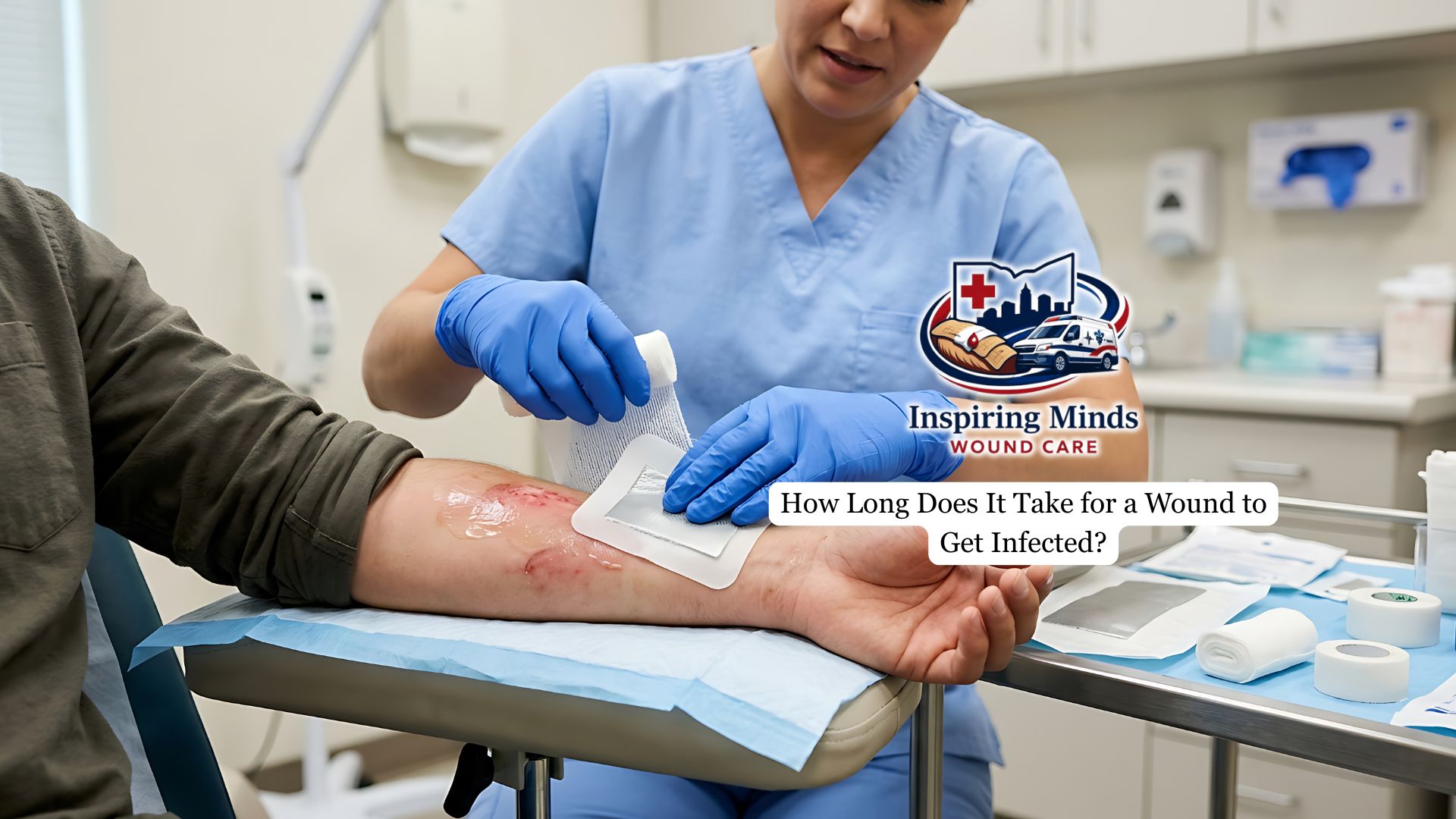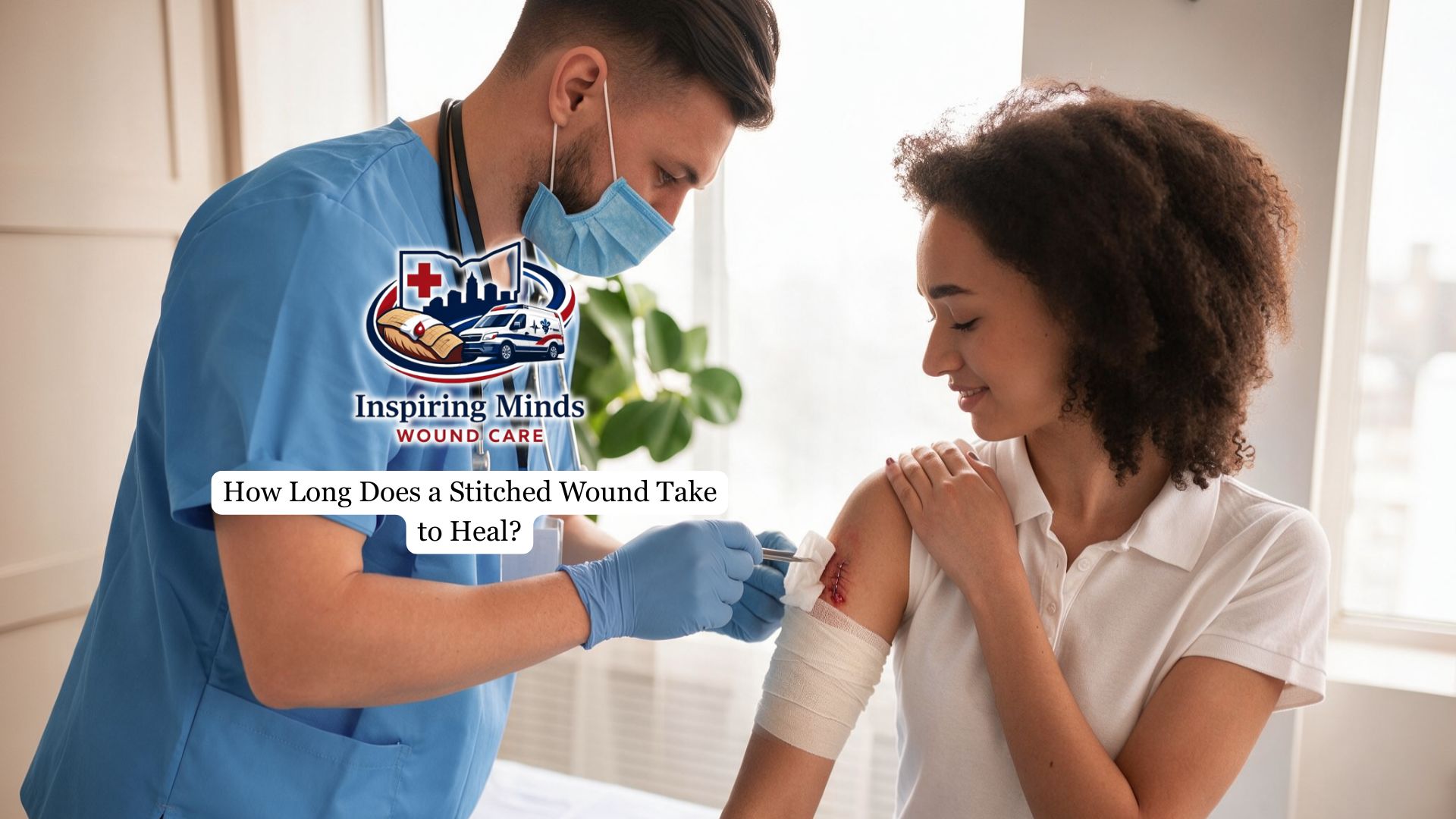
A wound can look manageable one day and become risky the next, especially when healing is slow or symptoms change. Acting early can reduce infection risk and prevent larger complications.
In this article, you will learn the clearest warning signs that a wound needs professional home care right away, along with what “immediately” means in real terms.
What Does “Professional Home Care” Mean?
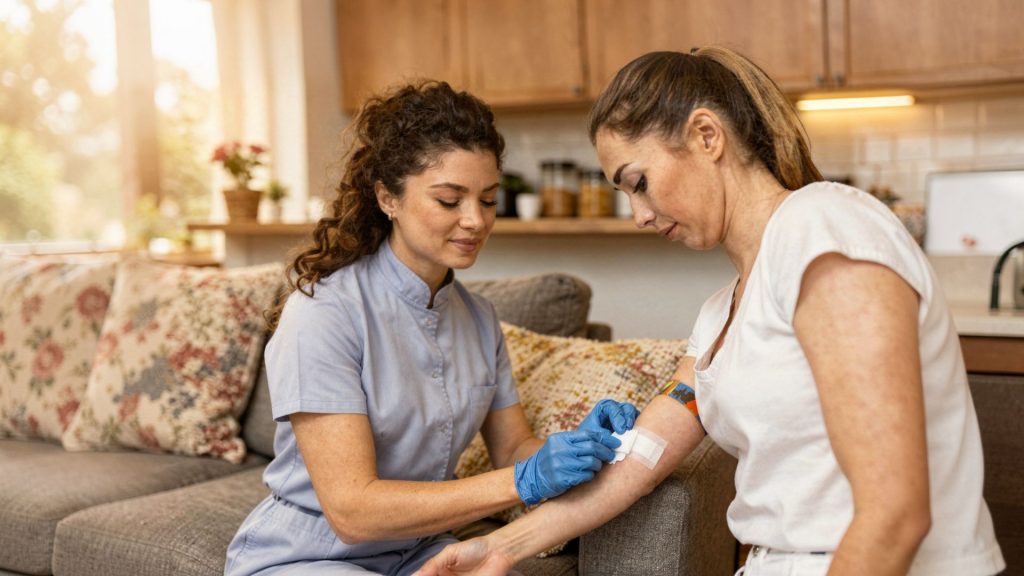
Professional home care for wounds means skilled clinical support provided in the home or care setting. It typically includes careful assessment, measuring the wound, selecting dressings that match the wound’s condition, and monitoring for infection risk.
A clinician also checks the skin around the wound, since surrounding breakdown can spread the problem. This approach is designed to keep treatment consistent while reducing the burden of travel.
Home-based care has clear limits that protect patient safety. It does not replace emergency evaluation for severe symptoms such as uncontrolled bleeding, severe shortness of breath, or rapid worsening illness. It also cannot deliver every diagnostic service that might be needed for deep or complex infections.
The purpose is to provide skilled monitoring and treatment in place, with clear escalation steps when urgent care is needed.
Sign #1: Redness That Spreads or Keeps Expanding
Redness that grows outward from the wound edges is one of the most important warning signs to take seriously. Mild redness can happen early in healing, but it should not expand each day or move into surrounding skin.
When the red area enlarges, it may indicate infection or worsening inflammation that needs skilled evaluation. A practical way to monitor spread is to note the size of the red area at the same time each day.
This is a situation where professional home wound care services can be helpful because early assessment can prevent a small problem from becoming a larger infection. If the person has diabetes, circulation problems, or reduced sensation, the threshold for concern should be even lower. Those conditions can allow infection to progress faster, even when symptoms appear mild.
Sign #2: Increasing Warmth, Swelling, or Firm/Tight Skin Around the Wound
Warmth around a wound can be normal early on, but it becomes concerning when it increases over time. A wound that feels hotter than the surrounding skin, or hotter than the same area on the other side of the body, may be showing signs of infection.
Swelling that grows, or skin that feels firm and tight, can also signal inflammation that is not resolving. These changes often appear before a wound looks severely infected.
Increasing warmth and swelling matter because they can indicate tissue stress that delays healing. When swelling presses on nearby tissue, circulation can drop, and wounds can stall. A clinician can evaluate whether these changes are related to infection, pressure, moisture problems, or another barrier to healing.
Sign #3: Pain that worsens instead of improves
Pain is one of the most useful signals because it often changes before the wound looks worse. During normal healing, pain should gradually decrease, even if the wound remains sensitive.
A warning sign is new pain, or pain that becomes stronger after a period of improvement. This pattern can suggest infection, deeper tissue irritation, or pressure and friction that is damaging the wound.
Worsening pain should be treated as a trend, not a momentary discomfort. If pain rises each day, or the person cannot tolerate normal movement because of the wound, the wound needs skilled assessment.
Pain can also be misleading for people with reduced sensation, such as those with diabetic nerve damage in their legs. In those cases, other signs like drainage changes and swelling become even more important.
Sign #4: Drainage Changes (Thicker, Colored, More Frequent, or Foul-Smelling)
Drainage is not always a problem, but changes in drainage can be an early sign of infection. Clear fluid or light pink drainage can be normal, especially soon after an injury or surgery. Thick, cloudy, yellow, or green drainage is more concerning, especially if it increases in volume. A new or stronger odor, particularly after the wound has been cleaned, can also suggest bacterial growth.
Drainage changes matter because they often appear before redness becomes dramatic. When dressings soak through quickly, moisture can irritate surrounding skin and create new entry points for bacteria.
A clinician can adjust dressing type and frequency to restore moisture balance and protect the wound edges. This is one of the most practical ways professional home care reduces infection risk.
Sign #5: The Wound Is Not Getting Smaller or Looks Like It’s Not Improving
A wound that does not improve over time should be treated as a warning sign, even if it does not look infected. Healing should show progress, such as reduced size, less drainage, or healthier tissue appearance.
If the wound looks unchanged after one to two weeks, or if it gets larger, it needs clinical reassessment. Delayed healing can signal hidden infection risk, pressure damage, or poor circulation.
“Stuck” wounds often need a plan change, not more of the same routine. Professionals reassess dressing choice, moisture control, pressure relief, and factors like nutrition or blood sugar control. They may also evaluate whether the wound has developed barriers that keep it from closing.
Recognizing delayed healing early helps prevent the wound from becoming chronic and more difficult to treat.
Sign #6: The Wound Is Deep, Opening Again, or the Edges Are Separating
A deeper wound carries a higher risk because bacteria can move into tissue layers that are harder to treat. Warning signs include wound edges that pull apart, a wound that widens, or “pocketing” where the edges separate under the skin.
If deeper layers are visible or the wound appears to be opening after being stable, the wound needs skilled evaluation. These signs may require advanced treatment decisions that are not safe to make without clinical guidance.
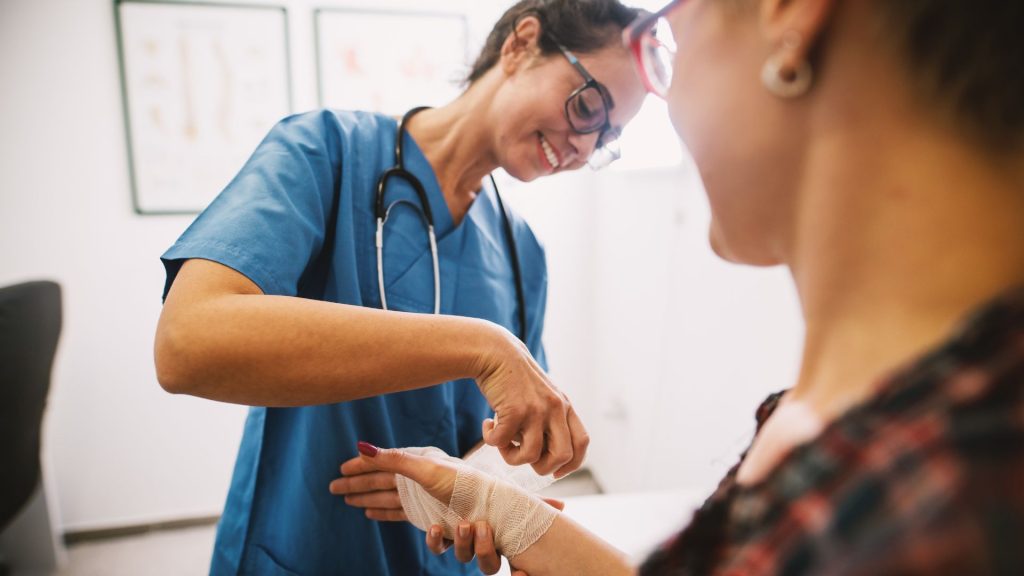
Depth and separation also increase the chance of drainage being trapped, which can raise infection risk. Wounds on the feet, over joints, or in areas under pressure need extra caution because movement and friction can keep reopening tissue.
Professional assessment can determine whether the wound requires different dressings, stronger protection, or referral to a clinic. This is a key point where delays can lead to rapid deterioration.
Sign #7: Experiencing Fever, Chills, or Confusion, or Red Streaking Coming From the Wound
Whole-body symptoms signal a higher risk because they may indicate a spreading infection. Fever, chills, body aches, sudden weakness, and confusion are warning signs that the body is under stress.
Red streaking that moves away from the wound can also indicate infection spreading through the lymph system. These symptoms require immediate medical evaluation because they can progress into serious complications.
In these situations, home-based care may not be enough. A person with systemic symptoms may need urgent evaluation, testing, and treatment that cannot be delivered in the home.
The safest approach is to treat whole-body symptoms as an emergency concern when they appear alongside wound changes. Fast action protects the patient because severe infection is harder to reverse once it escalates.
Sign #8: You Have Diabetes, Vascular Disease, or Immune Suppression, and Changes in the Wound Concern You
High-risk conditions lower the margin for error in wound care. Diabetes and vascular disease can reduce circulation and sensation, which makes wounds harder to heal and harder to monitor.
Immune suppression can reduce the body’s ability to fight bacteria before infection spreads. In these groups, a “small” wound can become a serious problem in a short timeframe.
When a high-risk patient notices any concerning change, early professional evaluation is the safer choice. A minor blister or small skin tear on the foot can become dangerous if it is not assessed and protected correctly. The goal is not to overreact, but to recognize that risk is higher even when the wound appears minor. Earlier intervention often prevents larger treatment needs later.
Sign #9: Repeated Dressing Problems or Skin Breakdown Around the Wound
Dressing problems are often a hidden reason wounds get worse at home. Dressings that stick can tear fragile tissue during removal, while dressings that soak through can keep the skin wet and irritated.
Tape can also injure skin, especially in older adults with thin or fragile skin. When the skin around the wound breaks down, bacteria have more access points, and healing becomes harder.
Professional home wound care can correct these problems by matching dressings to drainage and protecting the surrounding skin. Clinicians can adjust securement methods, reduce friction, and recommend changes that fit the patient’s daily routine. This reduces the cycle of repeated irritation that keeps wounds open.
What to Do Right Now
If you see warning signs, your immediate goal is to protect the wound without causing new damage.
Keep the wound covered with a clean dressing, and avoid harsh chemicals that can harm healing tissue unless a clinician has instructed their use. Wash your hands before touching the wound, and dispose of used dressings in a sealed bag. These steps reduce contamination risk while you arrange evaluation.
It also helps to collect clear information for the clinician. Take a photo in good light, and note pain level, drainage amount, and color, odor changes, and whether redness is spreading. Have a list of medications and key medical conditions ready, including diabetes and circulation issues.
Clear details make it easier to assess risk and choose the next step.
What Does a Professional Home Wound Assessment Typically Include?
A home wound assessment includes an evaluation of the wound and surrounding skin. Clinicians measure the wound, assess tissue quality, check drainage and odor, and look for warmth, swelling, and signs of breakdown around the edges.
They also consider location, pressure exposure, and daily routines that may be slowing healing. This creates a clear baseline for monitoring change.
After assessment, the clinician develops a plan that fits the wound’s condition. That plan may include dressing strategy, visit frequency, prevention steps, and clear escalation rules if symptoms worsen. Coordination may also be needed if testing, imaging, or higher-level care is recommended.
Getting Help
Early support can reduce the chance of infection becoming a larger medical issue. If you are in Ohio and your wound shows warning signs, mobile wound care can support assessment in the home environment when that approach fits the care plan. A professional home evaluation can be helpful for patients with limited mobility, older adults, and people managing chronic wounds.
A staged plan with consistent follow-up helps reduce missed care and improves monitoring. The goal is earlier recognition and fewer avoidable complications.
A typical process includes an initial call, coverage review, and an in-home assessment to evaluate the wound and risk factors. From there, a personalized plan is developed with clear guidance for patients and caregivers. Consistent monitoring helps detect changes early and adjust care when the wound stalls.
What to Do When a Wound Starts Getting Worse
“Immediately” means acting when warning signs show the wound is worsening, not waiting for the problem to become obvious. Spreading redness, increasing warmth and swelling, worsening pain, drainage changes, delayed healing, deep wounds, systemic symptoms, high-risk health conditions, and repeated dressing failures all signal that professional evaluation is needed. Early skilled care can prevent infection from spreading and can reduce long-term setbacks. A timely decision protects both healing and overall health.
In Ohio, we at Inspiring Minds Wound Care provide mobile wound care services for patients whose treatment plans support care at home. The team focuses on comprehensive wound assessment, infection prevention, and clear guidance for patients and caregivers.