A minor cut or scrape can turn into a serious health problem if an infection goes unnoticed. Most minor wound infections can be managed at home with the right knowledge and steps.
In this article, you will learn how to recognize the signs of infection, treat a wound at home, and know when professional care is the right call.
How a Wound Becomes Infected
The skin serves as the body’s primary defense against outside bacteria, and any break in that surface, whether from a cut, scrape, puncture, or surgical incision, creates an entry point for infection.
If a wound is not properly cleaned and covered, bacteria can multiply faster than the body’s immune response can manage, allowing an infection to develop. This is the core principle behind effective home wound care services, which focus on both preventing infection from the start and managing it promptly when it occurs.
Some people carry a higher risk of developing wound infections due to underlying health conditions such as diabetes or poor circulation, both of which reduce the body’s capacity to fight bacteria and repair damaged tissue. Medications such as corticosteroids and blood thinners can also slow healing and lower immune function at the wound site.
Recognizing these risk factors early gives patients and caregivers a real advantage in keeping a minor wound from becoming a more serious medical concern.
Recognizing the Signs of an Infected Wound
Catching an infection in its early stages makes treatment far more manageable, which is why knowing what to look for at the wound site matters a great deal.
The most common local signs of infection include:
- increasing redness around the wound
- skin that feels warm or hot to the touch
- swelling or tenderness that worsens rather than improves over time
Discharge that is yellowish, greenish, thick, or has an unpleasant odor is a strong indicator that bacteria have taken hold, and red streaks extending outward from the wound edge signal that the infection may be spreading through the lymphatic system.
Infection can also produce symptoms that go beyond the wound site and affect the whole body. A fever at or above 101°F (38.3°C), chills, or a general sense of fatigue and illness may indicate that the body is fighting an infection that has begun to spread.
Understanding the difference between normal healing and infection is helpful: clear or slightly pink fluid around a wound is a typical part of recovery, while thick, creamy, grayish, or foul-smelling discharge is a reliable indicator that something is wrong.
How to Clean and Treat a Minor Infected Wound at Home
Proper cleaning is the most important step in managing a minor wound infection at home, and it begins with washing your hands thoroughly with soap and water for at least 15 to 30 seconds before touching the wound. Once your hands are clean, follow these steps for safe and effective home wound care:
- Rinse the wound under clean, running water to remove surface bacteria and debris.
- Gently cleanse the surrounding skin with mild soap, using a clean cotton swab to loosen any dried blood or crusting.
- Use tweezers sterilized with rubbing alcohol to remove any visible debris from the wound surface, taking care not to probe deeply into the tissue.
- Apply a thin layer of petroleum jelly or an over-the-counter antibiotic ointment to keep the wound moist and reduce scab formation.
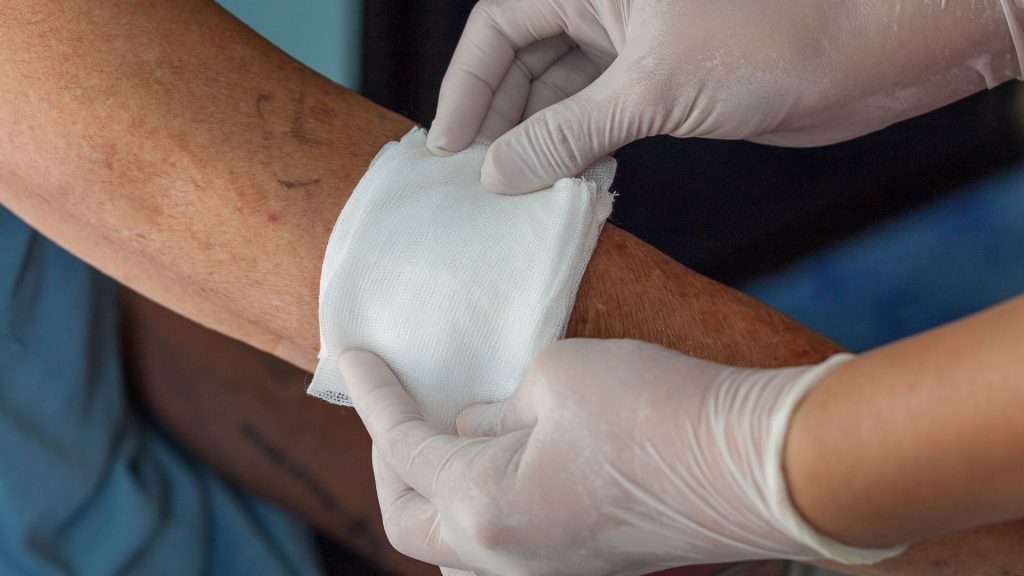
- Cover the wound with a sterile bandage or an appropriate wound dressing.
- If bleeding occurs during cleaning, apply firm pressure with a clean gauze pad for a full 5 minutes before continuing.
Knowing what to avoid during wound cleaning is equally important. Hydrogen peroxide, rubbing alcohol, and iodine are commonly reached for during home first aid, but all three are too harsh for healing tissue and can damage the very cells the wound needs to repair itself.
Soaking or submerging the wound in water should be avoided until it has fully closed, and picking at scabs should be resisted, since scabs protect the delicate new skin forming underneath.
Over-the-Counter and Topical Treatments for Minor Infections
Topical antibiotic ointments are among the most practical and accessible tools for managing minor wound infections at home. These products deliver antibacterial agents directly to the wound surface while creating a moist barrier that supports the healing process, and they are available without a prescription at most pharmacies.
When selecting an over-the-counter option, look for active ingredients such as bacitracin zinc, polymyxin B sulfate, or neomycin, as these compounds have a well-established record of effectiveness against the bacteria most commonly associated with minor skin infections.
Applying a thin layer over the cleaned wound before covering it with a sterile bandage is the standard approach, with dressing changes recommended on a daily basis. It is important to understand that topical treatments are designed for minor, surface-level infections and cannot reach bacteria that have spread deeper into the tissue or entered the bloodstream.
If symptoms continue to worsen despite consistent use, a healthcare provider will need to assess the wound and may recommend an oral antibiotic to address the infection from within.
Natural Remedies That May Help With Minor Wound Infections
Several natural substances have been studied for their antimicrobial and anti-inflammatory properties, and some may offer a degree of support for minor wound infections when used with care.
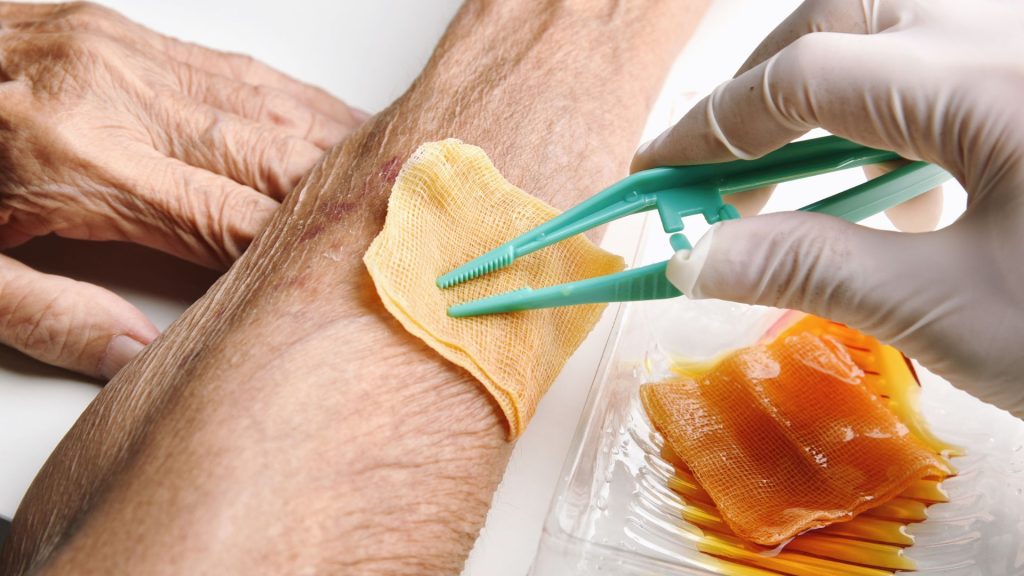
While none of these remedies should replace professional medical treatment, research suggests that certain plant-based and natural compounds can create conditions at the wound surface that make it harder for bacteria to thrive. It is worth noting that all of the options below are appropriate only for minor wounds and should never be applied to deep, open, or severely infected wounds without professional guidance.
The table below provides a quick reference for the most studied natural remedies, how they work, and important precautions to keep in mind before use:
| Remedy | How It Helps | Precautions |
| Honey | Creates an acidic, low-moisture environment that limits bacterial growth | Use medical-grade honey for wound care when possible |
| Aloe Vera | Provides antimicrobial and anti-inflammatory properties; soothes irritation | Avoid on deep or open wounds |
| Calendula (Marigold) | Stimulates collagen production and resists bacterial activity | Available as an ointment; patch test recommended |
| Tea Tree Oil | Acts as a natural antiseptic for minor skin infections | Must be diluted with a carrier oil; do not use on burns |
| Turmeric Paste | Contains curcumin, which has anti-inflammatory and antimicrobial properties | Avoid oral turmeric supplements if at risk of bleeding |
| Lavender Oil | Offers mild antimicrobial support | Must be diluted with a carrier oil before skin contact |
When to Stop Home Treatment and Call a Professional
Some wounds signal clearly that professional care is necessary, and learning to recognize those signs can prevent a manageable situation from turning into a serious one.
Any wound that is deeper than one-quarter of an inch, larger than three-quarters of an inch, or has jagged edges that will not come together may require stitches or medical intervention that goes beyond what home care can provide. Bleeding that does not stop after 10 minutes of firm, direct pressure, or the appearance of red streaks extending away from the wound, are signs that professional evaluation should not be put off.
Certain circumstances raise the level of concern further and call for prompt professional attention. Wounds resulting from animal or human bites, rusty objects, or punctures from nails or thorns carry a risk of serious bacterial infection and tetanus that home treatment alone cannot address.
Chronic wounds, those that fail to show visible improvement after two weeks of consistent home care, require professional assessment, as they are often connected to underlying conditions such as diabetes, vascular disease, or a compromised immune system. Mobile wound care services provide an accessible option for patients managing chronic wounds who have difficulty traveling to a clinical setting.
Patients living with diabetes, vascular disease, or a compromised immune system should work closely with a healthcare professional rather than relying solely on home care, and mobile wound care services provide an accessible option for patients who have difficulty traveling to a clinical setting.
Preventing Wound Infections Before They Start
Taking action at the moment a wound occurs is the most reliable way to reduce the risk of infection before it has a chance to develop.
Cleaning any new wound right away, covering it with an appropriate dressing, and maintaining a moist wound environment throughout the healing process all work together to block bacterial growth at the source.
Changing dressings on a regular schedule and examining the wound at each change creates opportunities for early detection before an infection has time to progress.
Broader health habits also support the body’s ability to fight off infection and recover from injury. Staying current on tetanus vaccinations provides important baseline protection, particularly for people who work outdoors or spend time around tools and animals.
Consistent nutrition, hydration, and blood sugar management for patients with diabetes all strengthen the body’s immune defenses and create better conditions for wound healing to take place.
Protecting Your Health Through Informed Wound Care
Wound infections do not have to escalate into serious medical events when you understand the signs, follow the right cleaning process, and know which treatments to reach for at home. Recognizing the boundaries of home care is just as valuable as the care itself, because acting promptly when a wound needs professional attention can prevent a manageable situation from becoming a complicated one.
At Inspiring Minds Wound Care, patients with chronic, non-healing, or complex wound situations receive the specialized attention that home treatment alone cannot offer, ensuring that every patient gets the level of care their wound truly requires.