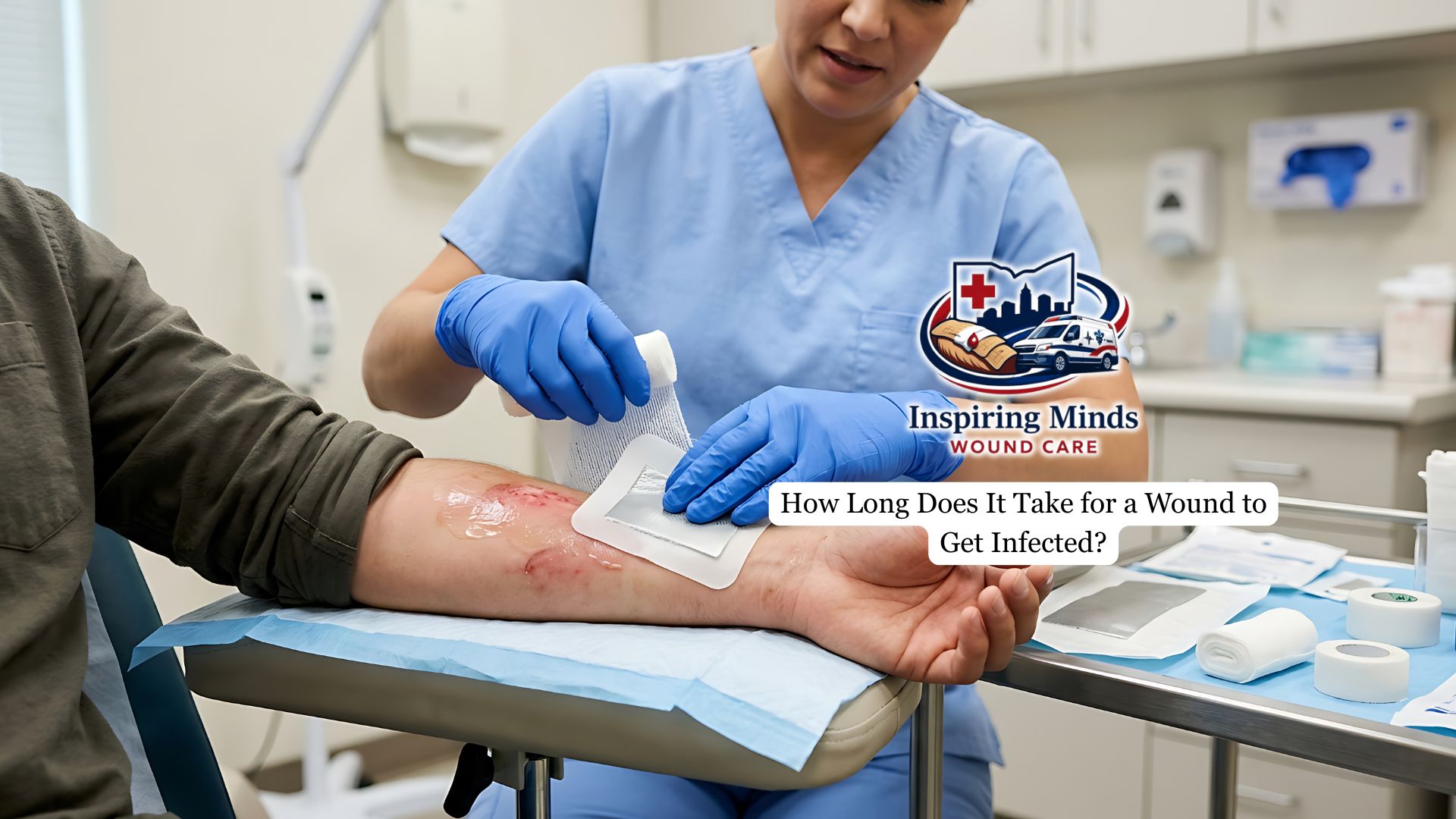
Wound infections can develop when healing stalls, dressings are hard to manage, or warning signs are missed between visits. This risk increases when drainage and moisture stay trapped against the skin, since bacteria can grow more easily in that environment. Missed follow-ups also mean small problems, like spreading redness or increasing pain, may not be addressed until the wound becomes harder to treat.
In this article, we explain how professional wound care at home reduces infection risk through early detection, cleaner dressing practices, environment-based prevention, and consistent monitoring. You will also learn who benefits most and what to expect from in-home visits.
What Increases the Chance of Infection?
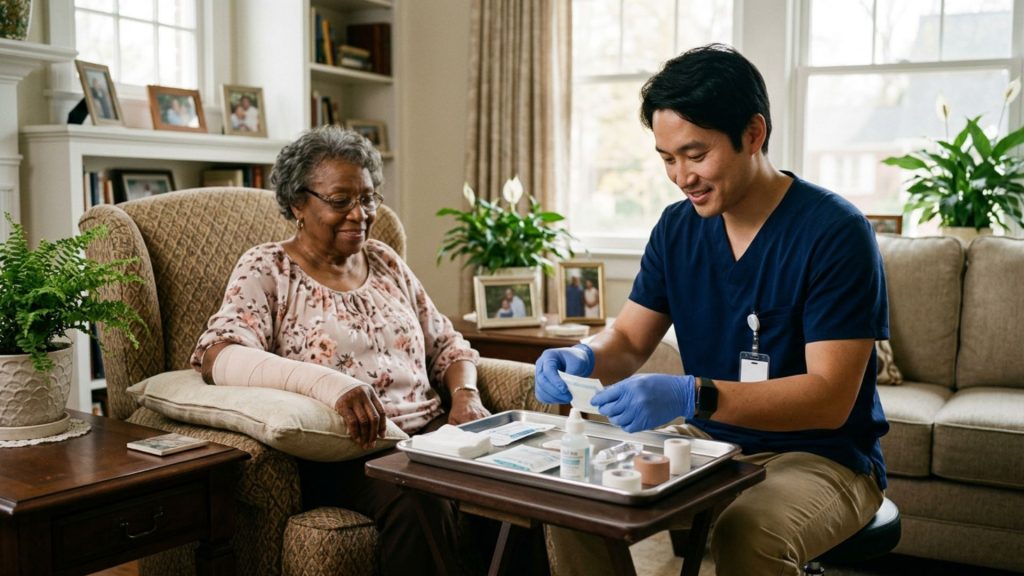
A wound is more likely to become infected when the skin barrier is open, and the body has trouble repairing tissue. Common risk factors include diabetes, poor circulation, a weakened immune system, older age, and limited mobility. Certain wound types, such as pressure injuries, surgical wounds, and diabetic foot ulcers, also carry a higher risk because they may heal slowly and require chronic wound management. Recognizing risk factors early helps families plan for the level of support a wound may need.
Infection risk often builds through a chain of events that can be easy to overlook. Germs are present in daily environments, and moisture or drainage can create conditions where bacteria grow. When dressing changes are inconsistent or follow-up is delayed, small signs of infection can progress into larger problems.
Understanding this “risk chain” helps explain why consistent, skilled care is protective and beneficial in a home setting.
Why Professional Wound Care at Home Is Different From Self-Care
Self-care can be effective for minor cuts, but complex wounds often require clinical judgment. Professional care includes structured assessment, wound measurement, and decisions based on drainage, tissue quality, and skin condition around the wound. Clinicians also select dressings that match what the wound needs, rather than using one product for every situation. This approach reduces trial-and-error, which can lead to irritation and delayed healing.
Professional home care also brings consistency and accountability to the care plan. Instead of relying on memory or guesswork, the plan is documented and updated based on progress. If the wound is not improving, a clinician can identify why and adjust the approach.
Catching Infection Signs Before They Spread
One of the strongest infection protections is spotting changes early. Clinicians watch for clear local infection signs such as spreading redness, increasing warmth, growing swelling, worsening pain, thicker drainage, and new odor. They also pay attention to whether the wound looks better over time, since healing should show steady improvement. Regular check-ins reduce the time between a new symptom and a treatment response.
Chronic wounds can show infection through subtler signals. A wound that stalls, breaks down at the edges, becomes more painful, or develops fragile tissue that bleeds easily may need reassessment. A professional can separate normal healing changes from signs that the wound is moving in the wrong direction. This helps prevent delays that allow infection to spread deeper into the tissue.
Clean Technique and Safer Dressing Changes in the Real Home Environment
Dressing changes are a common point where contamination can occur, especially when supplies are limited or the setup is rushed. Professional home care supports cleaner technique through hand hygiene, a controlled dressing setup, and safe disposal of used materials.
Clinicians also protect the skin around the wound, since irritated or broken surrounding skin can create new entry points for bacteria. These steps reduce risk in a setting where daily life continues around the wound.
Another key benefit is practical coaching that fits the patient’s routine. Patients and caregivers often manage dressings between visits, and small mistakes can add up over time. In-home teaching allows the clinician to demonstrate steps using the patient’s supplies, lighting, and space. When caregivers understand how to keep the dressing clean and secure, the wound is more likely to stay protected between professional visits.
Reducing the Causes of Repeated Skin Breakdown
Home care offers an advantage that clinics cannot always provide: clinicians can see the environment where the wound is stressed each day. They can observe bed and chair positioning, mobility patterns, and pressure points that may contribute to skin breakdown. They may also identify footwear problems, offloading challenges, or transfer habits that keep irritating the wound area. These insights are practical because they address causes, not only symptoms.
Prevention matters because repeated skin damage increases infection risk. For pressure injuries, small changes in positioning and support surfaces can reduce pressure and protect fragile skin.
For diabetic foot wounds, safe footwear and offloading routines help prevent ongoing trauma to the wound. When prevention steps are built into daily life, the wound is less likely to reopen or deteriorate, which supports safer healing over time.
Care Coordination and Escalation Pathways
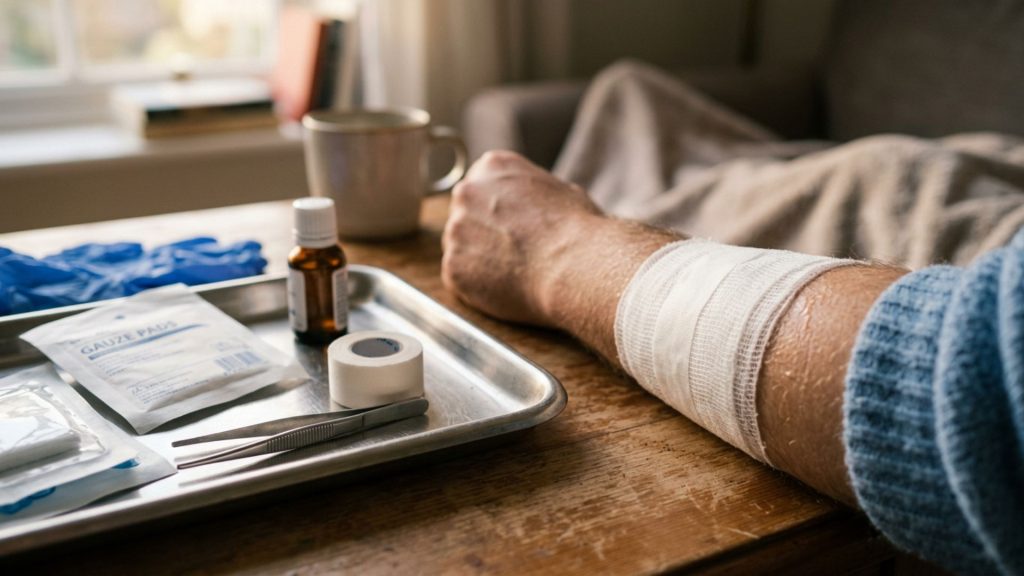
Professional home wound care should include a plan for escalation when infection risk rises. Clinicians communicate concerns to the ordering provider and recommend next steps when a wound is not progressing. In some cases, testing such as a wound culture, blood work, or imaging may be recommended when a deeper infection is a concern. Clear coordination improves the speed of response, which is important when an infection is suspected.
Escalation is also about deciding when a higher level of care is needed. Some wounds require clinic-based procedures or urgent evaluation if there are signs of spreading infection, severe pain changes, fever, or rapid redness expansion.
A structured home program does not replace emergency care, but it can reduce the chance of reaching that point by responding sooner. Timely escalation helps prevent complications such as cellulitis or serious bloodstream infection.
Why Consistency Lowers Infection Risk
Infection risk increases when care is interrupted or inconsistent. Home wound care often reduces missed visits because it removes transportation barriers, which can be a major issue for older adults and people with limited mobility.
Regular follow-ups help clinicians recognize patterns early and adjust care when progress slows. That consistency supports better outcomes because the wound is not left unattended for long stretches.
Continuity also improves adherence. When patients and caregivers receive clear instructions from a consistent team, they are more likely to follow dressing schedules and prevention steps. A clinician who knows the wound history can spot small shifts that might be missed by someone seeing the wound for the first time. This steady oversight reduces avoidable setbacks that can raise infection risk.
Who Benefits the Most From Professional Home Wound Care?
Professional home wound care can be especially helpful for elderly patients who have limited mobility or who are at higher risk for pressure injuries. It is also beneficial for people with diabetes, vascular disease, or chronic wounds that heal slowly.
Post-surgical patients may benefit when the wound needs monitoring and dressing support during recovery. In-home visits can reduce strain on caregivers who are coordinating medical needs and daily routines.
Patients in care facilities or those supported by family caregivers may also benefit from structured home-based monitoring. When multiple people assist with care, instructions can become inconsistent, which increases risk.
Professional visits create a clear plan and reinforce correct technique for everyone involved. The focus is not only on treatment, but on keeping the wound stable between visits so healing can continue without avoidable complications.
What to Expect From a Professional In-Home Wound Care Visit
An in-home visit typically starts with an evaluation of the wound and the surrounding skin. Clinicians measure the wound, assess drainage and tissue condition, and ask about symptoms such as pain changes or odor. They then select a dressing approach that matches the wound’s needs and explain how often changes should occur. This structure supports consistent care rather than uncertainty between visits.
Ongoing visits focus on monitoring and adjustment. Clinicians track whether the wound is shrinking, whether drainage is changing, and whether skin protection strategies are working.
They also provide a safety plan, including clear warning signs that require urgent medical attention. When the plan is updated as the wound changes, infection risk is reduced because treatment stays aligned with what the wound needs in each phase.
Home-Based Professional Care Helps Prevent Infection and Protect Healing
We at Inspiring Minds Wound Care provide mobile wound care in Ohio, designed to bring skilled support into the home environment when that approach fits the care plan. Our focus is consistent assessment, clinically guided dressing decisions, and early recognition of changes that may slow healing or raise infection risk. We support a range of wounds, including pressure injuries, post-surgical wounds, diabetic foot wounds, and chronic wounds.
Professional wound care at home reduces infection risk through early detection, clean dressing technique, prevention tailored to the home environment, and consistent monitoring over time. These benefits matter most for patients with higher-risk wounds or barriers to clinic travel, including many older adults and people with diabetes. A plan tailored to include escalation steps protects patients if the wound changes or worsens. When home-based care fits the goal, it can support safer healing with fewer complications.