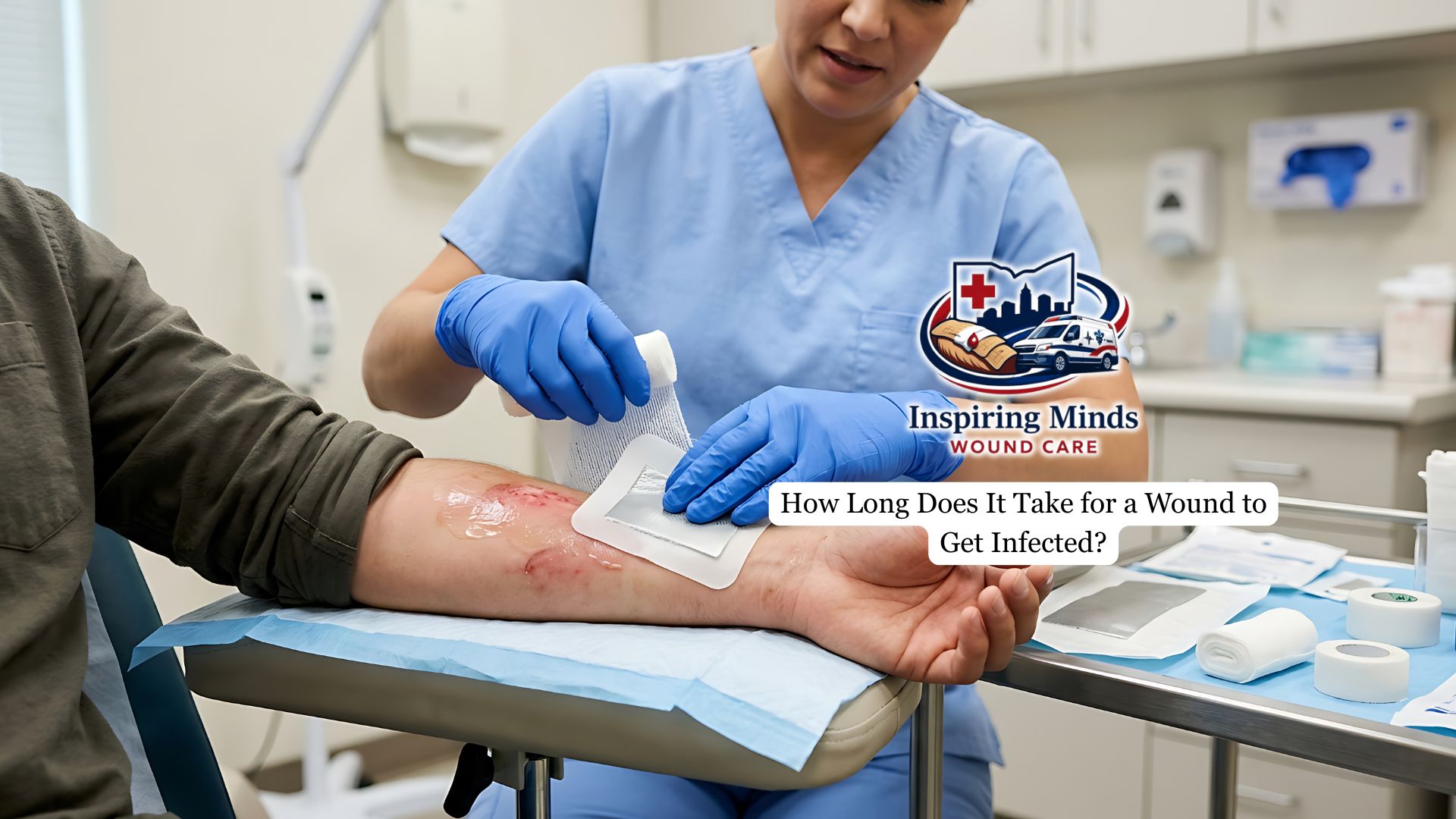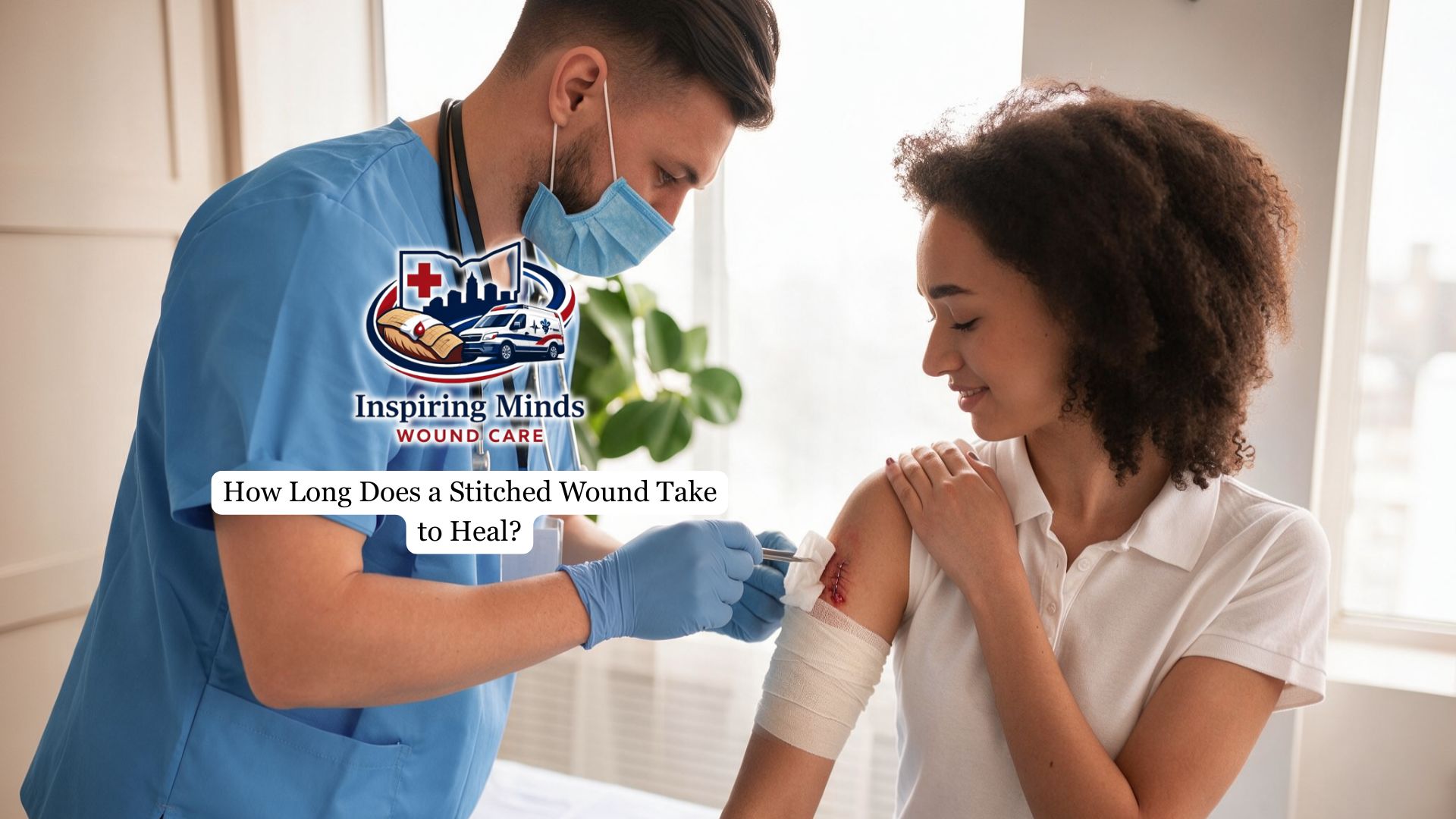
Wound healing is a complex biological process influenced by several factors, including the type and severity of the wound, a person’s overall health, circulation, nutrition, and the quality of ongoing care. Although many minor wounds heal without complications, appropriate treatment can support recovery, reduce discomfort, and lower the risk of infection.
The goal of wound care is not simply to close the skin as quickly as possible. It is to promote safe tissue repair while helping prevent complications that could delay healing or lead to further injury.
Clean the Wound Properly
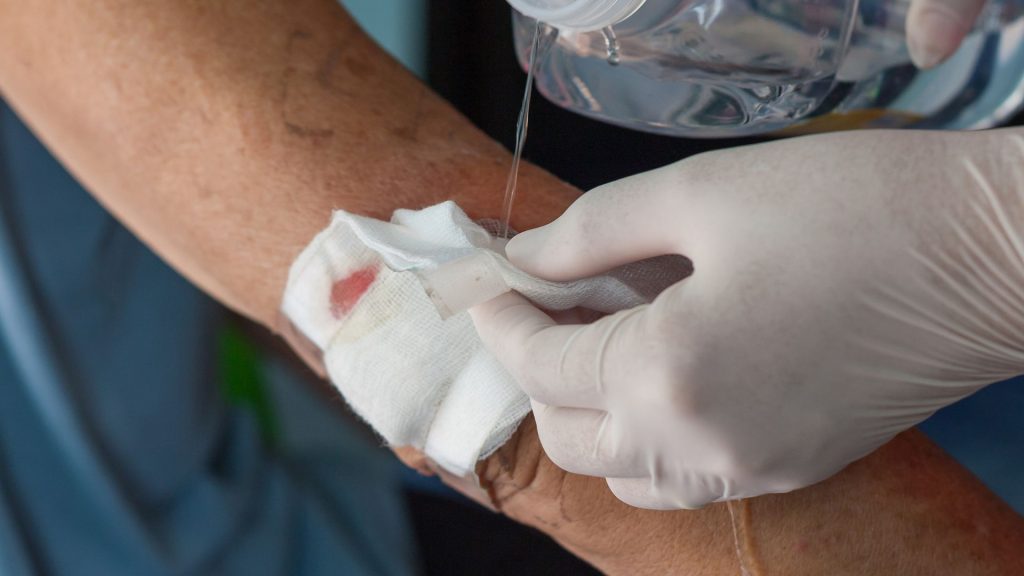
For minor cuts, scrapes, and superficial wounds, the first priority is gentle cleaning. Wash your hands thoroughly before touching the affected area. Rinse the wound with clean running water to remove dirt and debris, and use mild soap on the surrounding skin if needed.
Avoid repeatedly applying hydrogen peroxide, rubbing alcohol, or strong iodine solutions directly to an open wound unless instructed by a health care professional. These substances may damage healthy tissue and can interfere with the healing process when used frequently.
After cleaning, gently pat the surrounding area dry with a clean cloth or sterile gauze.
Protect the Wound With an Appropriate Dressing
Keeping a wound protected is an important part of recovery. A suitable dressing helps shield the area from bacteria, friction, dirt, and additional trauma. It can also help maintain a balanced moisture level, which generally supports healing.
Contrary to the belief that wounds should always be left exposed to air, many uncomplicated wounds heal more effectively in a clean, slightly moist environment. A thin layer of petroleum jelly may help prevent the dressing from sticking to the wound and reduce excessive drying.
Dressings should be changed when they become wet, dirty, loose, or as directed by a health care provider. Surgical wounds, burns, pressure injuries, diabetic foot ulcers, and other complex wounds may require specialized dressings and should be managed according to clinical guidance.
Consider Professional Wound Care When Appropriate
Some wounds require more than standard home care. Medical assessment is recommended for wounds that are deep, slow to heal, increasingly painful, showing signs of infection, or associated with diabetes, poor circulation, or limited mobility.
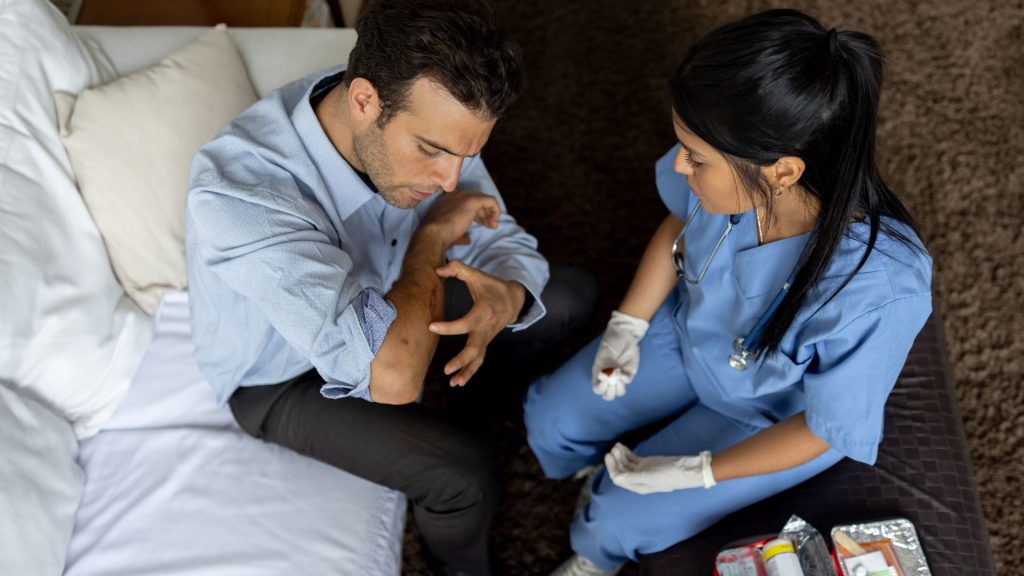
Mobile wound care services may be especially helpful for individuals who cannot attend regular appointments because of limited mobility, recovery after surgery, chronic illness, or transportation challenges. These services can provide wound assessments, dressing changes, treatment support, and coordination with other health care professionals in the patient’s home.
Early intervention may help prevent a minor wound from developing into a more serious complication.
Prioritize Adequate Nutrition
The body requires additional energy and nutrients to repair damaged tissue. Protein is particularly important because it supports tissue regeneration, immune function, and the development of new skin.
During recovery, aim to include protein-rich foods regularly, such as poultry, fish, eggs, dairy products, beans, lentils, tofu, nuts, and seeds.
Vitamin C contributes to collagen production, which is essential for wound repair. Foods rich in vitamin C include citrus fruits, berries, kiwi, bell peppers, tomatoes, and broccoli. Zinc also supports immune function and tissue healing and can be found in meat, seafood, legumes, whole grains, nuts, and seeds.
Nutritional supplements should only be used when necessary and ideally under professional guidance. Excessive intake of certain nutrients, including zinc, may cause adverse effects.
Maintain Proper Hydration
Hydration supports circulation and helps the body transport oxygen and nutrients to healing tissue. Water is generally the best choice for maintaining fluid intake.
Fluid needs vary based on age, body size, activity level, climate, medications, and medical conditions. People with heart disease, kidney disease, or medically prescribed fluid restrictions should follow the recommendations of their health care provider.
Support Healthy Circulation
Adequate blood flow is essential for wound healing because blood delivers oxygen and nutrients to damaged tissue. Poor circulation can significantly delay recovery, particularly for wounds affecting the feet and lower legs.
When medically appropriate, gentle movement and regular position changes can support circulation. This may include short walks, ankle exercises, or avoiding long periods of sitting or lying in one position.
However, some wounds require pressure relief or reduced weight-bearing. People with foot ulcers, pressure injuries, surgical wounds, or vascular conditions should follow the recommendations of their health care team. Compression therapy or elevation may be appropriate in some cases but should not be used without professional guidance.
Avoid Smoking and Nicotine Products
Nicotine constricts blood vessels, which reduces blood flow to the wound and limits the oxygen and nutrients needed for tissue repair. Smoking also exposes the body to carbon monoxide, which further reduces the amount of oxygen carried in the blood. As a result, wounds may take longer to close and may be more likely to reopen or develop complications.
In addition, smoking can weaken immune function and impair the activity of cells responsible for fighting bacteria and repairing damaged tissue. This increases the risk of infection and may contribute to delayed healing, poor scar formation, or complications after surgery.
Vaping and other nicotine-containing products may also affect circulation and should be discussed with a health care professional during recovery.
Manage Underlying Medical Conditions
Certain health conditions can delay wound healing, including diabetes, anemia, peripheral artery disease, kidney disease, and immune system disorders.
Diabetes requires particular attention because elevated blood glucose can affect circulation, immune response, and infection risk.
It is important to manage these conditions carefully, take medications as prescribed, and attend recommended medical appointments. A wound that does not show clear improvement over time should be evaluated by a health care professional.
Recognize Signs of Infection
Seek medical attention promptly if a wound develops any of the following signs:
- Increasing redness, warmth, swelling, or pain
- Pus, cloudy drainage, or an unpleasant odor
- Red streaks extending away from the wound
- Fever, chills, or feeling generally unwell
- Darkening, black, or gray tissue
- Wound edges that open, deepen, or fail to improve
Urgent care may be needed for severe bleeding, deep puncture wounds, animal or human bites, significant burns, wounds with exposed bone or tendon, or injuries caused by contaminated objects. A tetanus booster may also be necessary, depending on the injury and vaccination history.
Conclusion
Supporting wound healing requires consistent care rather than a single quick solution. Proper cleaning, appropriate dressings, balanced nutrition, hydration, healthy circulation, and avoiding nicotine can all support safer, more effective recovery. However, chronic, complex, slow-healing wounds, or wounds connected to an underlying health condition, may require ongoing clinical support.
At Inspiring Minds, we provide mobile wound care services for seniors and older adults across Ohio. Our licensed wound care specialists deliver compassionate, evidence-based treatment in the comfort of each patient’s home, reducing the stress of travel and long clinic waits. Care plans are individualized according to the wound type, stage of healing, and overall health, with advanced dressings, infection prevention, and ongoing monitoring to support comfort, mobility, and better healing outcomes.