A wound can become infected within the first few days after an injury, procedure, or skin break, but there is no single timeline for every wound. Infection risk depends on the wound type, bacteria exposure, wound care, and overall health.
Knowing what’s normal and what needs attention can help protect healing tissue and prevent complications.
How Long Does It Take for a Wound to Get Infected?
Many wound infections become noticeable within two to five days, although symptoms may appear sooner or later. Bacteria may enter the wound at the time of injury, during dressing changes, or after exposure to dirt, moisture, pressure, or friction. The timing is less important than whether symptoms are improving or becoming worse.
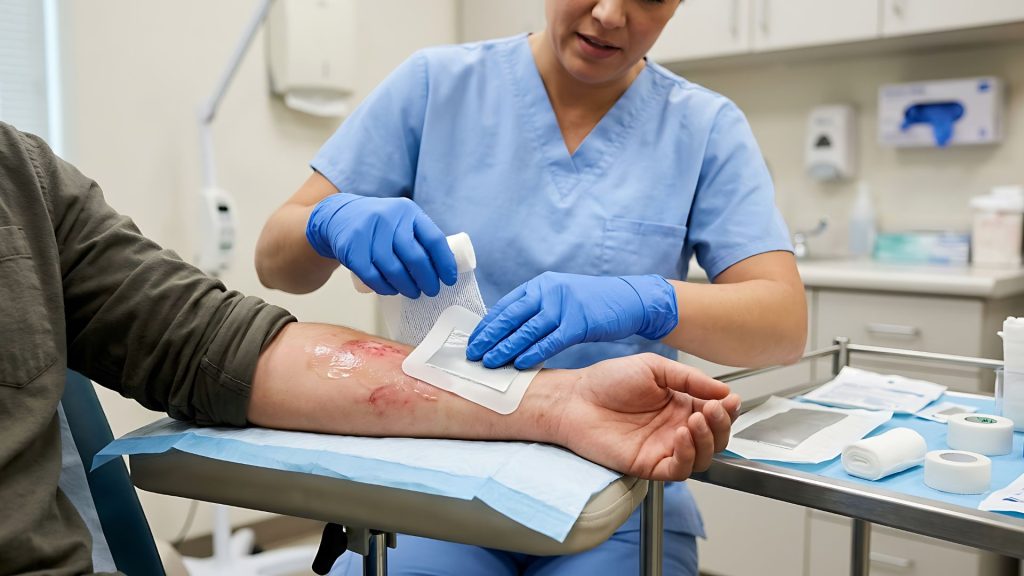
Professional wound care services may be needed when a wound has worsening pain, unusual drainage, or delayed healing. Punctures, animal or human bites, burns, surgical incisions, and deep cuts can each carry different infection risks.
A wound that changes quickly should be evaluated based on its symptoms rather than the number of days since it occurred.
Why Some Wounds Become Infected Faster Than Others
A wound’s type, depth, and cause can affect how quickly bacteria multiply. Deep cuts, puncture wounds, crush injuries, burns, and wounds containing dirt or other debris may be harder to clean and monitor. Wounds on the feet, hands, joints, or areas exposed to constant pressure may also face more irritation during healing.
A person’s health can influence the body’s ability to control infection and rebuild tissue. Diabetes, reduced circulation, poor nutrition, immune suppression, smoking, and limited mobility can slow healing and raise infection risk.
Delayed cleaning, wet dressings, and frequent contact with unwashed hands can also create conditions that allow bacteria to spread.
Normal Healing Changes Versus Possible Infection
Some symptoms can be expected during early healing. Mild redness near the wound, limited swelling, tenderness, bruising, and small amounts of clear or lightly pink drainage may occur after an injury or procedure. These changes should remain close to the wound and improve as the tissue repairs itself.
Possible infection often causes symptoms that spread, intensify, or appear alongside new drainage and worsening discomfort. A clinician should assess uncertain changes because appearance alone cannot confirm whether a wound is infected. Tracking pain, drainage, and skin changes gives the care team useful information about the wound’s progress.
Comparison of Early Healing and Infection Concerns
| Normal Early Healing | Possible Infection | Why It Matters |
| Mild redness close to the wound | Redness that spreads beyond the wound | Spreading redness may indicate inflammation or infection in nearby tissue |
| Mild tenderness that improves | Pain that increases or becomes severe | Worsening pain can signal a healing complication |
| Small amount of clear or light pink drainage | Thick, cloudy, foul-smelling, or increasing drainage | Changes in drainage may require prompt evaluation |
| Mild swelling that decreases | Increasing swelling, warmth, or skin discoloration | These changes can indicate worsening tissue irritation or infection |
Common Signs That a Wound May Be Infected
Contact a healthcare provider when symptoms are getting worse rather than better. Infection may affect the wound itself or cause whole-body symptoms, especially when it is not addressed early. Reporting concerns promptly can help determine whether the wound needs a change in treatment or a higher level of care.
Common warning signs include:
- Increasing pain, tenderness, redness, warmth, or swelling
- Thick, cloudy, yellow, green, gray, or foul-smelling drainage
- Red streaks spreading away from the wound
- Wound edges that open or skin that becomes dark or discolored
- Fever, chills, nausea, fatigue, dizziness, or feeling unwell
- A wound that appears larger, deeper, or more damaged over time
Red streaks, fever, chills, confusion, or rapidly worsening symptoms require prompt medical attention because they may signal a more serious infection.
People with diabetes, poor circulation, or weakened immune systems should seek guidance sooner because early symptoms may be less obvious. Timely assessment can prevent an infection from causing deeper tissue damage.
What to Do if You Think a Wound Is Infected
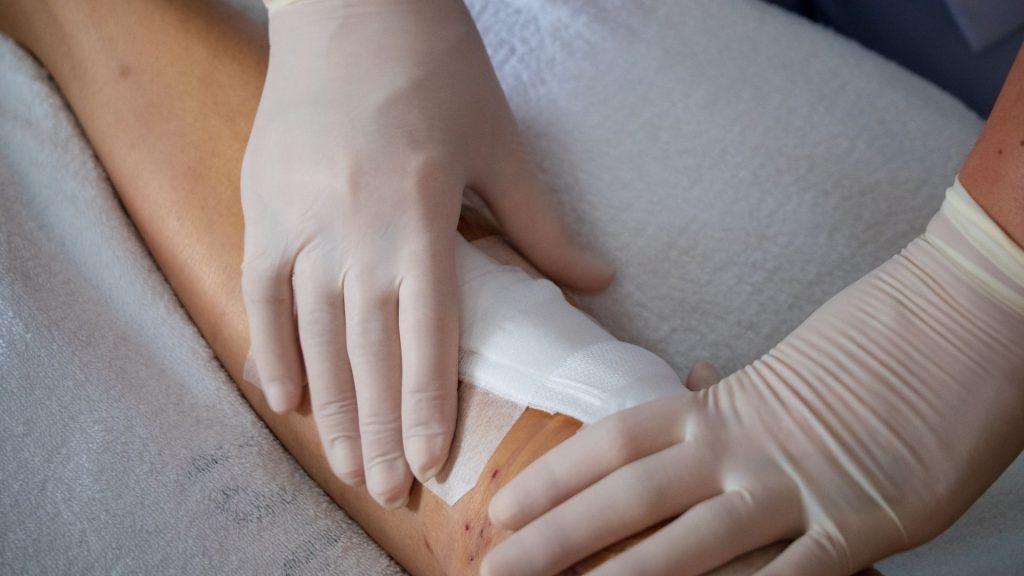
Do not squeeze the wound, dig into it, attempt to remove embedded material, or apply harsh products without clinical guidance. Keep the wound protected with a clean dressing and wash hands before touching the wound or surrounding skin. Follow the existing care plan until a qualified provider gives different instructions.
Seek urgent care for uncontrolled bleeding, severe pain, high fever, confusion, rapidly spreading redness, or signs of serious illness. Treatment may involve a professional assessment, wound cleansing, a dressing change, removal of damaged tissue when appropriate, or medication prescribed for the specific concern. Early treatment is safer than waiting for a wound infection to resolve without support.
How to Reduce the Risk of Wound Infection
Hand hygiene is one of the most important steps in preventing wound infection. Wash hands before and after wound care, and use clean supplies when changing a dressing. Keep dressings secure and replace them when they are wet, dirty, loose, or changed according to the care plan.
Avoid picking scabs, soaking an open wound without approval, or using products that may irritate healing tissue. Support healing through adequate nutrition, hydration, blood sugar management, pressure relief, and avoidance of tobacco products when applicable. Prevention lowers the risk of infection, but it does not remove the need to monitor for meaningful changes.
When Professional Wound Care Support May Help
Professional support may be appropriate for wounds that heal slowly, reopen, show infection concerns, or are affected by diabetes, pressure, or circulation problems. Post-surgical wounds, chronic ulcers, pressure injuries, and deep traumatic wounds can require more consistent observation. A structured care plan helps match treatment to the wound’s condition and the patient’s health needs.
At Inspiring Minds Wound Care, we provide assessment, dressing support, progress monitoring, and patient and caregiver education for eligible patients. Our In-home wound care services in Ohio can reduce travel demands while allowing treatment to take place where patients manage their daily routines. A clinical assessment determines whether mobile support and specific wound treatments are appropriate.