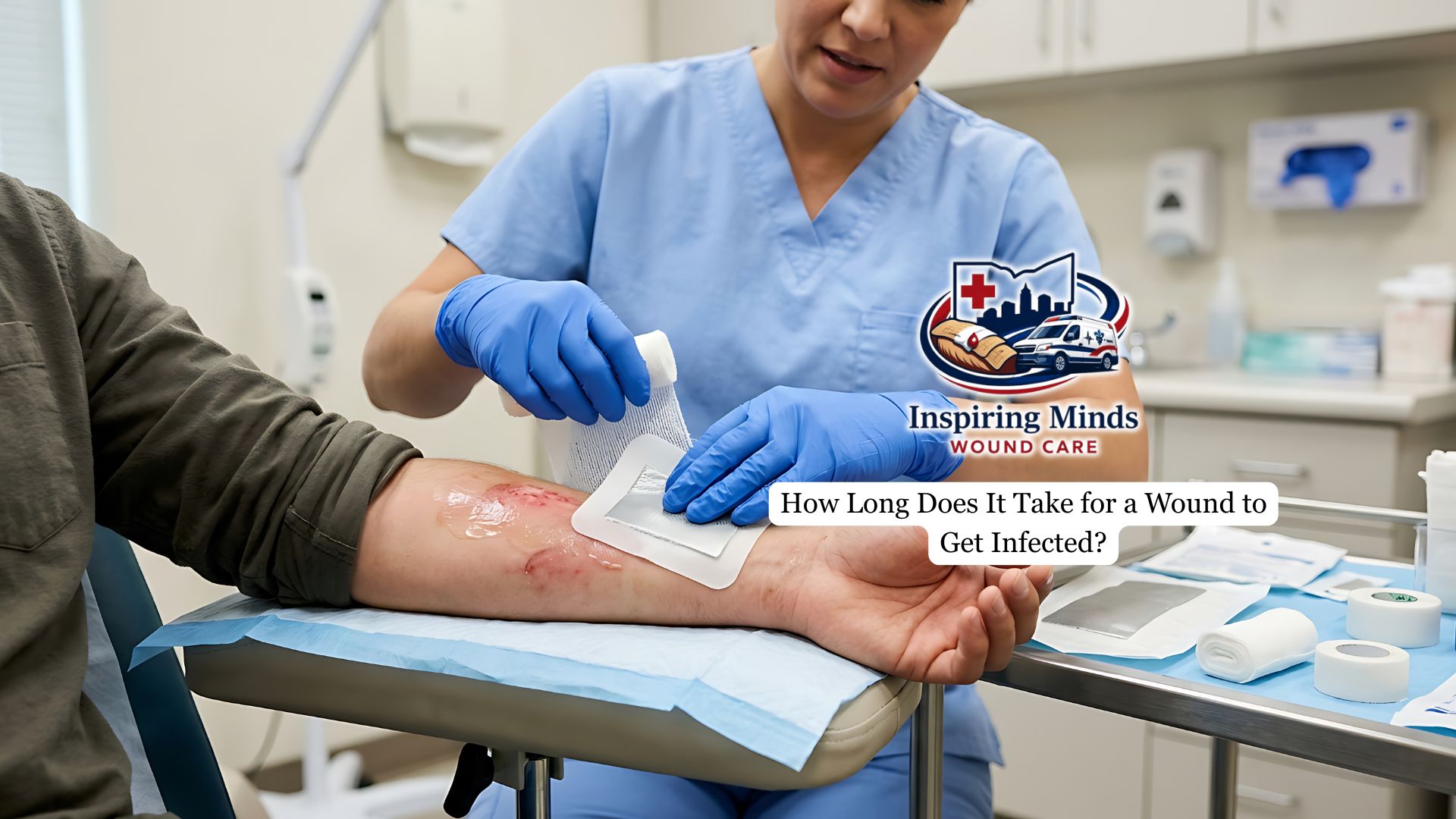
A stitched wound often begins to close within one to two weeks, but complete healing takes longer. The timeline depends on the wound’s depth, location, cause, closure method, and the patient’s health.
Understanding each stage helps patients protect the wound, follow care instructions, and recognize when a change may need medical attention.
What Determines How Long a Stitched Wound Takes to Heal?
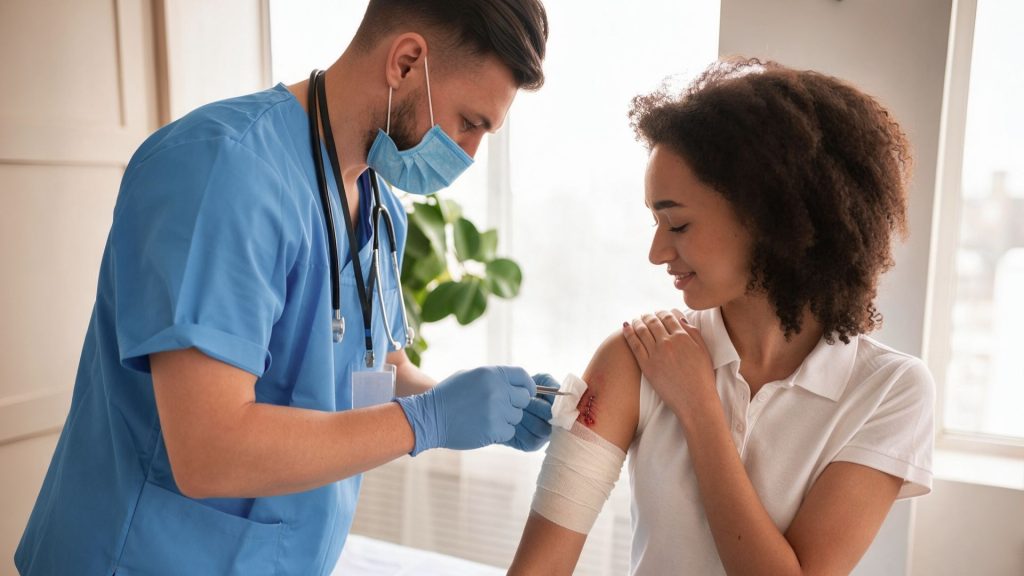
Several factors affect how quickly a stitched wound heals.
A small, clean cut may close faster than a deep injury or surgical incision, while wounds near joints may take longer because movement places tension on the skin. Wounds on the hands, feet, legs, and areas with limited circulation may also need closer observation.
Professional wound care services may be helpful when healing is affected by diabetes, poor circulation, smoking, certain medications, infection risk, or poor nutrition.
The type of stitch also matters because some stitches need to be removed, while others dissolve beneath the skin over time. Following the care plan and attending scheduled follow-up visits can reduce avoidable stress on the wound.
The Main Stages of Stitched Wound Healing
Stitched wounds heal through a series of overlapping stages that help close the skin, rebuild damaged tissue, and strengthen the repaired area. The pace of healing varies with the wound’s location, depth, cause, and the patient’s overall health.
Hemostasis: The Body Stops the Bleeding
Hemostasis begins immediately after the injury and wound closure. The body forms a blood clot to control bleeding and create an early protective barrier over the damaged tissue. Stitches hold the wound edges together while this early repair process begins.
A small amount of tenderness, mild swelling, or light spotting on the dressing may occur soon after the wound is closed. Bleeding that continues, soaks through the dressing, or does not stop with firm direct pressure needs prompt medical attention. Protecting the area from pulling or impact helps the clot remain stable during the first stage.
Inflammation: The Area Begins to Clean and Protect Itself
During the inflammatory stage, the body sends blood cells and immune cells to the wound to remove damaged tissue and protect against harmful bacteria. Mild redness, warmth, swelling, and soreness near the stitches can be expected in the first several days. These signs are part of the body’s normal response to tissue injury.
The symptoms should remain localized and gradually improve as the wound begins to repair. Redness that spreads, pain that increases, warmth that becomes more intense, or drainage that changes in color or odor may signal a problem. Reporting these changes early allows a clinician to assess whether treatment needs to be adjusted.
Proliferation: New Tissue Builds Across the Wound
The proliferative stage often begins within a few days and may continue for several weeks. During this phase, the body develops new blood vessels and collagen to fill the wound and reconnect the damaged tissue. The wound edges should remain together, while drainage and soreness often begin to decrease.
The stitched area may itch, feel tight, or appear pink as new tissue forms. These changes can be normal, but patients should avoid scratching, stretching the skin, or removing scabs. Gentle protection and consistent dressing care reduce the chance of reopening the wound during this vulnerable period.
Maturation: The Scar Gradually Strengthens
The maturation stage, also called remodeling, begins as the wound gains stability and can continue for months. The body reorganizes collagen within the scar, which helps the repaired tissue become stronger over time. A scar may first look raised, firm, or darker than the surrounding skin.
Although the wound may appear closed, deeper layers continue to recover and may not yet tolerate strain or friction. Patients should follow instructions about returning to exercise, work tasks, and other activities that could place tension on the healing area.
Continued protection during this stage helps reduce the risk of reopening and supports more stable scar formation.
Stitched Wound Healing Timeline: What to Expect
The following timeline offers a general guide for common stitched wounds. Individual healing may differ based on the wound and the patient’s overall condition. A treating clinician’s instructions should always take priority over a general timeline.
| Time After Closure | What May Be Normal | What to Watch For |
| First 24 to 48 hours | Mild soreness, slight swelling, light drainage, and tenderness | Bleeding that does not stop, severe pain, or rapidly spreading redness |
| Days 3 to 7 | Wound edges remain closed, swelling may lessen, and tenderness may improve | Increasing drainage, foul odor, growing pain, or skin that feels hot |
| Around 1 to 2 weeks | Many superficial wounds have enough early closure for stitch removal assessment | Wound edges separating, stitches pulling through skin, or delayed improvement |
| Several weeks to months | Scar tissue continues to strengthen and mature | Persistent pain, recurrent opening, or worsening discoloration |
Stitches are not a sign that a wound has fully regained its strength. Even after removal, the new tissue can reopen if it is stretched, bumped, or exposed to pressure before it is ready. Patients should follow activity restrictions until the treating clinician confirms that normal movement and exercise are safe.
How to Care for a Stitched Wound at Home
Protecting the Wound and Dressing
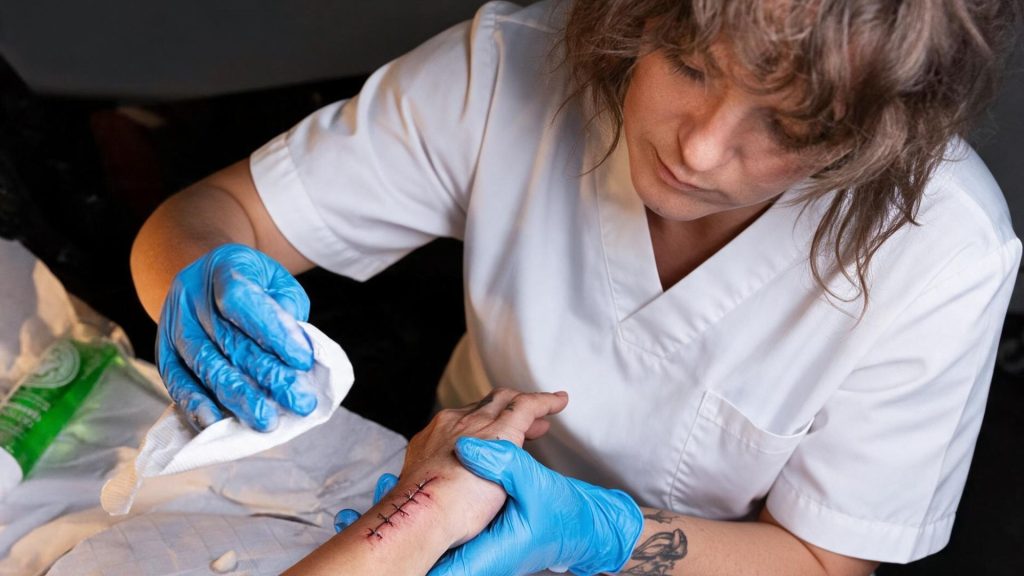
Follow the instructions provided for cleaning, bathing, dressing changes, and activity. In many cases, patients are advised to keep the area clean and protected while avoiding soaking, swimming, or exposing the wound to unnecessary moisture. Do not use ointments, cleansers, or home remedies unless they are included in the care plan.
Avoid picking at scabs, pulling on stitches, or removing dressings before the recommended time. Clothing, braces, or footwear that rubs against the area can irritate the wound and damage fragile healing tissue. A clean and protected wound is less likely to face avoidable disruption during recovery.
Supporting Healing Through Daily Habits
The body needs adequate protein, fluids, vitamins, and minerals to repair damaged tissue. Patients with diabetes should follow their blood sugar management plan because elevated blood sugar can delay healing and increase the risk of infection. Avoiding tobacco products also supports circulation and oxygen delivery to the wound.
Caregivers should understand the patient’s wound instructions, especially when dressing changes or activity limits are involved. Keeping a written record of changes in pain, drainage, or redness can make follow-up discussions more accurate. Clear observations help the care team decide whether healing is progressing as expected.
When Are Stitches Removed or Expected to Dissolve?
The timing of stitch removal depends on the wound location, depth, tension, and rate of healing. Stitches on areas that move frequently or bear more pressure may stay in place longer than stitches on the face or upper body. A clinician should decide when removal is appropriate because removing stitches too early can cause the wound to reopen.
Absorbable stitches are designed to break down over time and may be placed beneath the skin or in areas where removal would be difficult. They do not always disappear at the same pace because the material and wound location affect how long they remain. Patients should not trim, pull, or remove visible stitches on their own because this can interrupt healing.
Signs of a Healing Problem or Possible Infection
A stitched wound should show gradual improvement, even when healing takes longer than expected. Contact a healthcare provider if symptoms worsen instead of improving, especially when the wound changes in appearance or becomes more painful. Early assessment can address complications before they become more serious.
Contact a provider if you notice:
- Increasing or severe pain
- Spreading redness, warmth, or swelling
- Pus-like, foul-smelling, or increasing drainage
- Fever, chills, or a general feeling of illness
- Wound edges that separate or stitches that pull through the skin
- Bleeding that does not stop with firm, direct pressure
- New numbness, loss of movement, or dark skin discoloration near the wound
Uncontrolled bleeding, severe symptoms, sudden confusion, or rapidly worsening changes require urgent medical attention. Patients should not wait for a routine appointment when a wound appears to be opening, infected, or causing signs of serious illness. Prompt action can protect the wound and reduce the risk of more extensive treatment.
When Professional Wound Care Support May Help
Some stitched wounds need closer monitoring because healing is slow, the wound reopens, or a condition such as diabetes or poor circulation affects recovery. Post-surgical wounds, deep cuts, pressure-related injuries, and wounds with signs of infection may require a more detailed treatment plan. Professional support can help identify the reason healing has slowed and guide appropriate next steps.
Care may include wound assessment, dressing selection, progress tracking, patient education, and coordination with the broader medical team. These services help ensure that the wound is evaluated according to its current condition rather than treated with a one-size-fits-all approach. A qualified clinician can determine whether added wound care support is appropriate for the patient’s situation.
A Steady Path Toward Safe Stitched Wound Healing
A stitched wound may appear closed within one to two weeks, but deeper healing and scar maturation continue for much longer. Protecting the wound, following aftercare instructions, attending follow-up visits, and reporting concerning changes are the most important steps in recovery. Careful monitoring supports safer healing and helps prevent minor concerns from becoming more complex wound problems.
We at Inspiring Minds Wound Care can provide our patients with professional guidance for post-surgical and acute wounds. Our team can assess the wound, monitor healing progress, recommend appropriate dressing care, and help patients understand which changes require attention. This support can be especially valuable when a stitched wound is slow to heal, reopens, or is affected by concerns such as diabetes, limited mobility, or circulation issues.