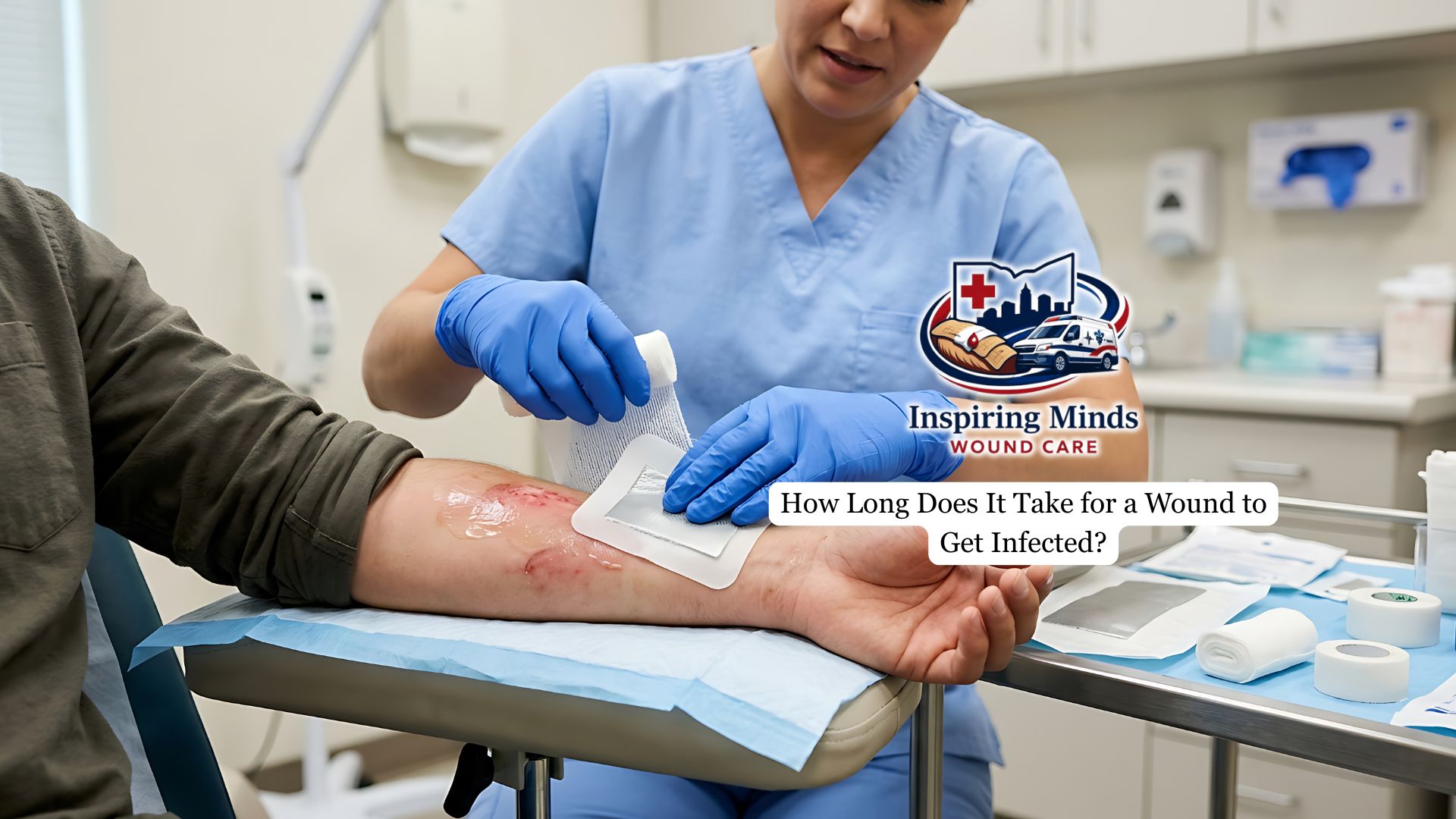
A wound can affect comfort, mobility, and daily routines, especially when travel to appointments is difficult. Home wound care visits bring clinical support to the patient’s residence, where care can be tailored to the wound and the home environment. Knowing what happens at each stage helps patients and caregivers prepare for treatment and recognize meaningful changes.

When Home Wound Care Visits May Be Recommended
Home visits may be considered for people with diabetic foot wounds, pressure injuries, surgical wounds, chronic ulcers, traumatic wounds, or wounds that have not healed as expected. They can be valuable for patients with limited mobility, ongoing medical needs, or difficulty traveling for frequent appointments.
The decision depends on the wound’s condition, the patient’s health history, and the level of treatment required.
Professional wound care services support more than the wound itself. We at Inspiring Minds Wound Care Services may provide in-home care for eligible patients who need ongoing wound assessment, treatment, and education. We consider more than the wound itself, including circulation, blood sugar control, nutrition, medication use, pressure on the affected area, and the patient’s ability to move safely. These factors can influence healing and help shape a practical care plan that fits the patient’s needs at home.
Before the First Visit: Scheduling and Preparing
The first step is usually an intake conversation to gather information about the wound, current symptoms, medical history, and care needs. Patients may be asked about recent procedures, medications, allergies, mobility concerns, and instructions received after leaving a hospital or clinic. This information gives the care team a clearer picture before the first in-home assessment.
Preparing the home can make the visit safer and more efficient. Choose a clean, well-lit area with enough room for the patient and clinician to work comfortably, and keep pets away from the treatment space if possible. It also helps to have medications, wound supplies, discharge paperwork, and a written list of questions available for review.
What Happens When the Wound Care Provider Arrives
At the beginning of the visit, the provider will discuss how the patient has been feeling since the last treatment or since the wound began. They may ask about pain, drainage, odor, swelling, fever, appetite, sleep, and changes in mobility. This conversation matters because symptoms outside the wound itself can reveal issues that need attention.
The provider will then assess the wound and the surrounding skin. The assessment may include the wound’s size, depth, drainage, tissue appearance, odor, pain level, and any signs of irritation or infection. They may also review whether pressure, friction, moisture, poor circulation, or other conditions could be slowing healing.
Treatment During the Visit: Cleaning, Dressing, and Advanced Care
Treatment often begins with careful cleansing and removal of the previous dressing. The provider will use infection-control practices and select supplies that match the wound’s drainage level, depth, condition, and location. Protecting the skin around the wound is also important because excess moisture or adhesive irritation can create new skin damage.
Some wounds require more specialized treatment based on clinical findings. Care may include advanced dressings, pressure-relief strategies, debridement of nonviable tissue when appropriate, or treatment plans for diabetic, surgical, pressure-related, or chronic wounds. The purpose of each step should be explained so patients understand how the treatment supports healing and protects the wound from further damage.
The services included in a home visit depend on the wound, the patient’s medical needs, and the treatment plan. The table below explains common forms of wound care and why a clinician may recommend them.
| Wound Care Service | What It May Involve | Why It May Be Recommended |
| Wound assessment | Reviewing wound size, depth, drainage, surrounding skin, and pain | Establishes a baseline and helps track healing over time |
| Wound cleansing | Cleaning the wound and protecting the surrounding skin | Helps remove drainage and supports a clean treatment environment |
| Dressing selection and changes | Applying dressings based on drainage, tissue condition, and wound location | Helps manage moisture, protect the wound, and support healing |
| Chronic wound management | Care planning for wounds that have not healed as expected | Addresses ongoing barriers that may delay healing |
| Diabetic foot and limb care | Monitoring wounds affected by diabetes, pressure, or reduced sensation | Helps identify complications and protect vulnerable tissue |
| Post-surgical wound care | Assessing incision sites and changing dressings when needed | Supports recovery and helps identify concerns after a procedure |
| Pressure injury care | Reducing pressure and treating skin or tissue damage caused by prolonged pressure | Helps prevent the wound from worsening and supports tissue recovery |
| Debridement when appropriate | Removing nonviable tissue using a clinician-directed method | May help create a healthier wound environment for healing |
Important: Not every patient needs every service. A qualified clinician determines the most appropriate treatment based on the wound assessment and the patient’s overall condition.
Education for Patients and Caregivers Between Visits
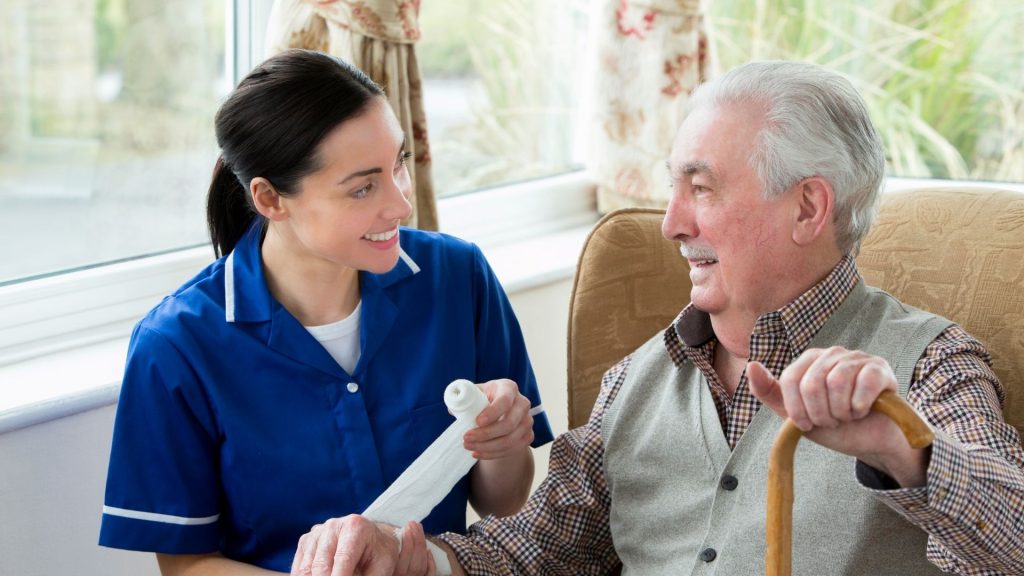
A home wound care visit should include clear instructions for the time between appointments. Patients and caregivers may learn how to keep a dressing dry, how to protect the wound during bathing, when to avoid changing a dressing, and how to reduce pressure on the affected area. Following these instructions helps preserve the treatment plan and lowers the risk of contamination or injury.
Daily health habits can also affect wound healing. Depending on the patient’s needs, the care plan may address nutrition, hydration, movement, blood sugar management, smoking cessation, and ways to prevent pressure or friction. Caregivers play an important role because they may notice changes in the wound or the patient’s condition before the next visit.
Follow-Up Visits, Progress Tracking, and Care Coordination
Healing usually requires ongoing observation rather than a single treatment session. During follow-up visits, the provider may measure the wound, compare its appearance with prior assessments, review symptoms, and adjust dressing choices as needed. Tracking these details helps show whether the current plan is supporting progress or whether a new approach is needed.
Home wound care also involves communication with other members of the patient’s care team when appropriate. A provider may coordinate with a surgeon, primary care clinician, podiatry professional, or other specialist involved in the patient’s treatment. This coordination helps reduce conflicting instructions and keeps wound management connected to the patient’s overall health needs.
When to Contact a Provider Right Away
Patients should report meaningful changes in a wound rather than waiting for the next scheduled visit. Prompt communication can help the care team determine whether the treatment plan needs to change or whether the wound requires further evaluation. Contact the provider if you notice any of the following warning signs:
- Increasing pain that is new, persistent, or more severe than usual
- Redness, warmth, or swelling around the wound or surrounding skin
- New, heavier, or unusual drainage, especially if the drainage changes in color or consistency
- A foul odor coming from the wound or dressing
- Bleeding that continues after following the provider’s instructions
- A wound that looks larger, deeper, darker, or more damaged than it did before
- Fever, chills, weakness, or feeling unwell, particularly when these symptoms occur with wound changes
- A dressing that becomes wet, loose, contaminated, or difficult to keep in place
Some symptoms require urgent medical attention rather than waiting for a return call or a future home visit. Seek emergency care for uncontrolled bleeding, severe or rapidly worsening pain, sudden confusion, difficulty breathing, or signs of a serious illness. Reporting concerns early can help prevent complications and allow the care plan to be adjusted based on the patient’s condition.
A Clearer, More Supported Healing Journey
Home wound care visits provide a structured process that includes preparation, assessment, treatment, education, and follow-up. Each visit should help patients understand the current condition of the wound, the purpose of the care plan, and the changes that need to be reported.
We at Inspiring Minds Wound Care Services provide mobile support designed to help eligible patients receive attentive wound treatment where they live.