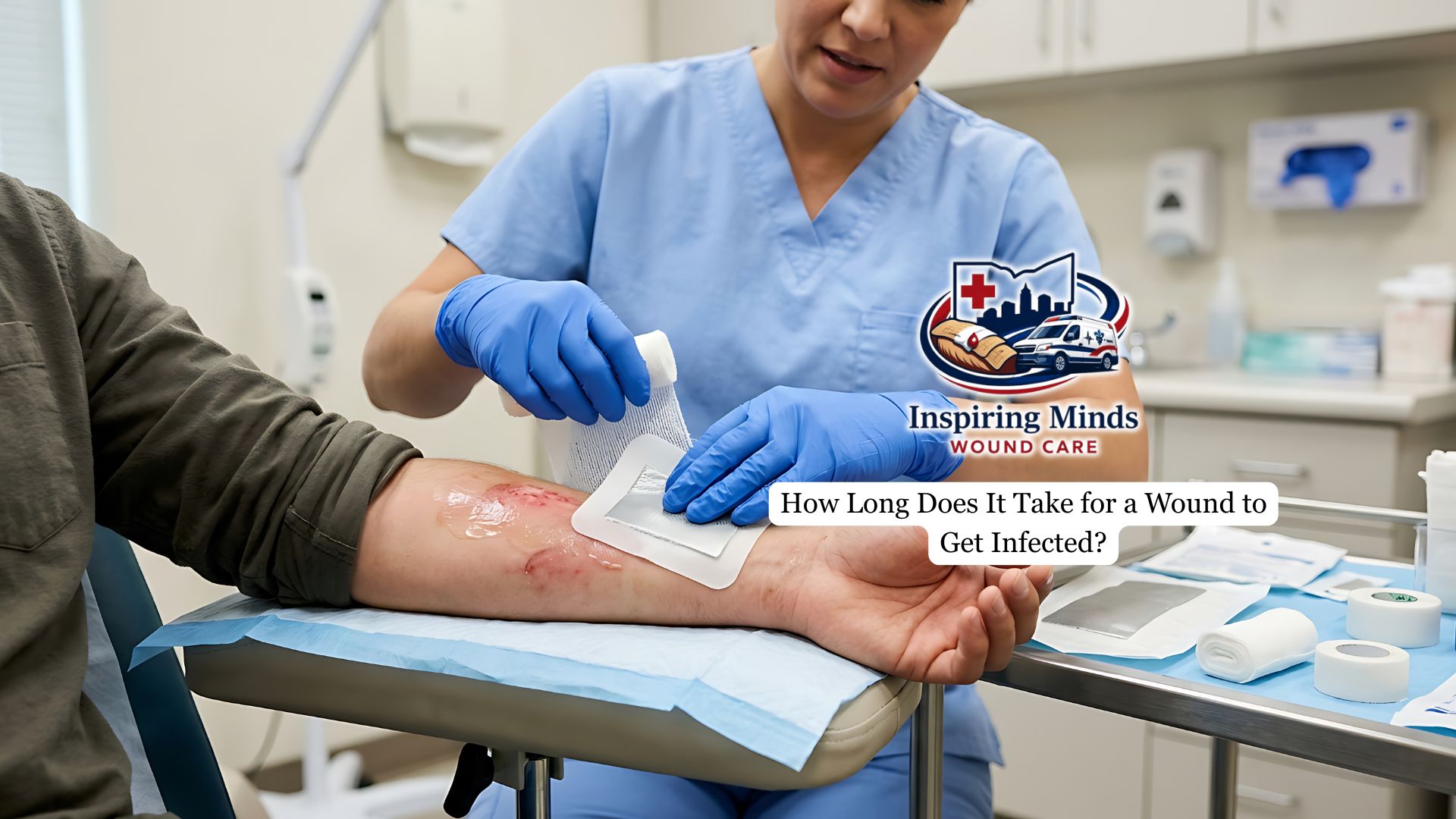
A tunneling wound is one of the more complex wound types a patient or caregiver can encounter. These wounds extend beneath the skin’s surface and into deeper tissue, creating hidden channels that are difficult to treat.
In this article, we cover what tunneling wounds are, what causes them, how they are assessed and treated, and what to expect during recovery.
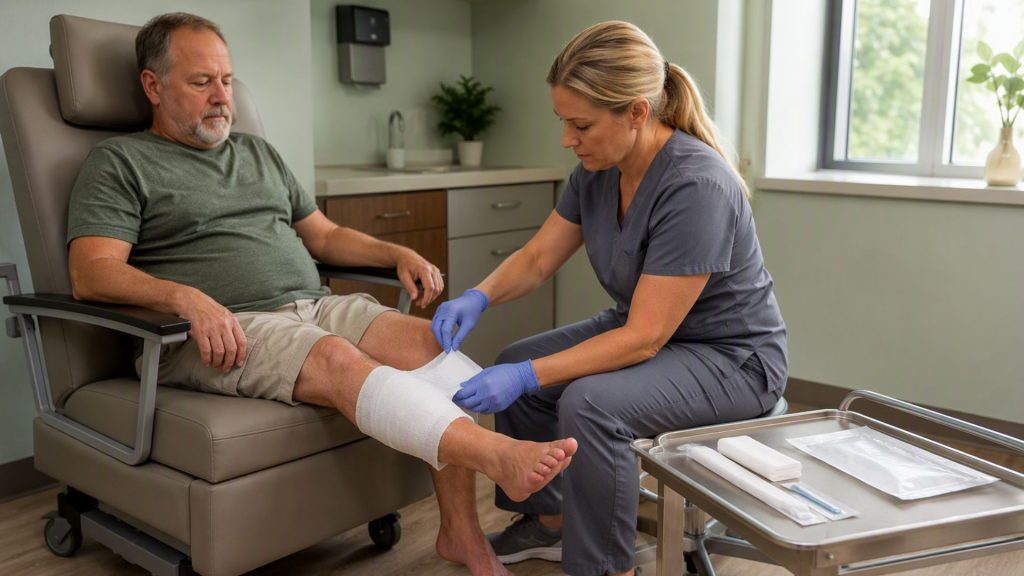
What Is a Tunneling Wound?
A tunneling wound is a wound that extends beneath the surface of the skin, forming narrow channels or passages that travel into the deeper layers of subcutaneous tissue or muscle. These channels, sometimes called sinus tracts, can travel in unpredictable directions, making them difficult to see, measure, and treat from the outside.
Unlike a standard open wound, a tunneling wound conceals much of the actual tissue damage from view, which is why a trained clinician must evaluate the wound carefully before any treatment plan is established.
Tunneling wounds are generally regarded as a sign of poor or stalled wound healing. They tend to develop when a wound fails to progress through the normal stages of repair and the surrounding tissue begins to break down or separate in ways that create these hidden passages.
The longer a tunneling wound goes without appropriate treatment and wound care services, the more extensive the underlying damage can become, and the more difficult the healing process tends to be.
What Causes a Tunneling Wound?
Tunneling wounds develop when factors such as infection, pressure and shear forces, prolonged inflammation, and improper wound packing cause tissue layers to break down and separate beneath the skin.
Chronic wounds that have stalled in the repair process are especially vulnerable, since the longer a wound remains unresolved, the greater the risk that hidden tracts will begin to form.
Systemic health conditions also contribute significantly to tunneling wound development. Diabetes, vascular insufficiency, obesity, advanced age, and malnutrition all impair the body’s ability to heal.
It’s also important to remember that certain medications, including corticosteroids, NSAIDs, chemotherapy drugs, and immunosuppressants, may slow healing further by interfering with collagen formation and the immune response, even if they were prescribed properly.
For patients receiving wound care at home, new or worsening pain, increased drainage, or changes in wound depth should be reported to the care team promptly.
What Conditions Are Associated With Tunneling Wounds?
Tunneling wounds are most frequently associated with pressure injuries, particularly those classified as Stage III or Stage IV, where tissue damage has already reached the deeper layers beneath the skin. These advanced pressure injuries create an environment where tissue separation and tract formation are more likely, especially when the wound continues to experience pressure or friction from repositioning or contact with surfaces. Patients who are bedridden, use a wheelchair, or have limited mobility are among the most vulnerable to this type of wound.
Other conditions commonly linked to tunneling wounds include:
- Diabetic foot wounds, where reduced circulation and nerve damage slow the body’s ability to detect and repair tissue injury
- Venous insufficiency, where poor blood flow back to the heart causes fluid buildup and creates conditions that are difficult for wounds to heal in
- Pilonidal cysts, which form near the base of the spine and can develop sinus tracts that extend into the surrounding tissue
- Hidradenitis suppurativa, a chronic inflammatory skin condition that causes recurring abscesses and scarring in areas where skin rubs together
- Rheumatoid arthritis, which increases risk both because of the persistent joint inflammation it causes and because many of the medications used to manage it can suppress immune function
Recognizing the connection between these conditions and wound tunneling helps patients and caregivers understand when a wound may require more intensive clinical oversight and professional home care than standard wound dressings can provide.
How Are Tunneling Wounds Assessed?
Assessing a tunneling wound requires careful examination because much of the wound extends beneath the skin and cannot be seen. A clinician examines the wound opening for irregular edges or additional openings, then uses a soft, non-fibrous probe, such as a sterile polyethylene catheter, to determine the tunnels’ depth, number, and direction.
Clinicians often document tunnel locations using the clock face method, with 12 o’clock oriented toward the patient’s head. Each tunnel’s clock position and length in centimeters are recorded to create a consistent record for monitoring changes over time. If tunnels are too deep or complex to assess by probing, imaging such as CT, MRI, or sinography may provide a more complete view of the underlying damage.
How Are Tunneling Wounds Treated?
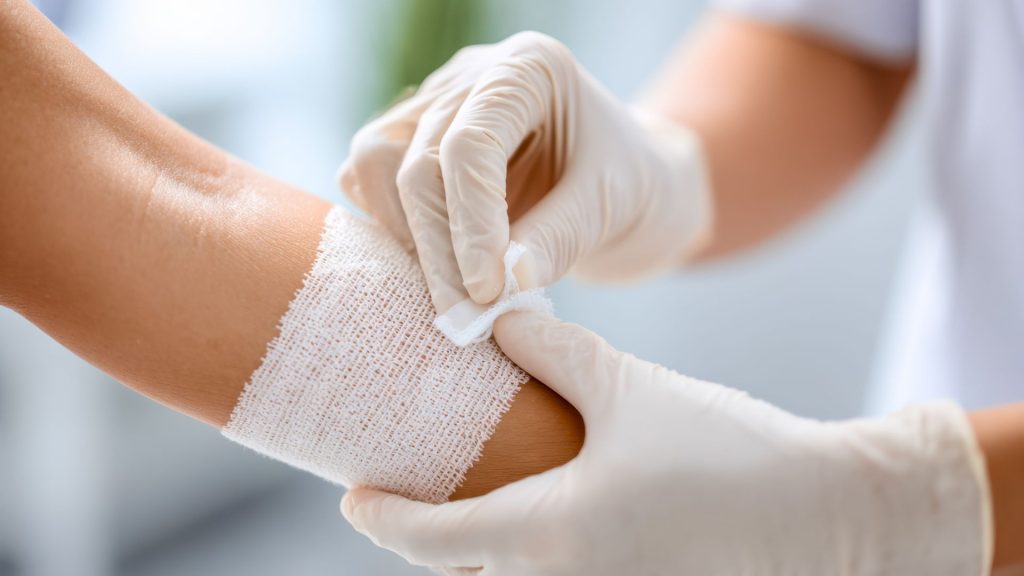
Treating a tunneling wound requires addressing both the wound and any underlying conditions that may delay healing. Because the damage extends beneath the skin, treatment focuses on healing deeper tissue before the surface closes. A clinician will assess the wound’s depth, surrounding tissue, and the patient’s overall health to determine the appropriate treatment.
Cleansing and Debridement
Cleansing and debridement are fundamental to treatment. The wound is irrigated with sterile saline, and necrotic or devitalized tissue may be removed using surgical, enzymatic, or mechanical methods. Removing dead tissue reduces bacterial burden and supports healthy tissue growth. Debridement should be performed by a trained clinician to avoid further injury.
Wound Packing
Wound packing helps prevent the surface from closing before deeper tissue heals. Materials such as antimicrobial gauze, alginate rope, hydrogel, or collagen dressings may be used. Packing should fill the tunnel without excessive pressure, which can restrict circulation and delay healing.
Advanced Treatment Options
If standard treatment is not producing sufficient progress, negative pressure wound therapy (NPWT) may help remove excess fluid, reduce swelling, and promote granulation tissue. Antibiotics may be used when infection is present or bacterial burden is interfering with healing. Large or deep defects may require surgical intervention to repair damaged tissue and support closure.
Managing Underlying Health Conditions
Treating contributing health problems is also essential. Care may include blood sugar monitoring for people with diabetes, nutritional support for protein or micronutrient deficiencies, and medication adjustments when drugs are affecting immune function. Addressing these factors can help prevent delayed healing or recurrence.
How Long Does a Tunneling Wound Take to Heal?
Tunneling wounds typically take weeks to months to heal, depending on their severity and the patient’s overall health. Unlike surface wounds, they must heal from the inside out, with deeper tissue regenerating before the surface closes. Closing the wound too early can trap bacteria or fluid, potentially causing an abscess or recurrence.
Healing time depends on the tunnel’s depth and extent, infection, nutritional status, and adherence to treatment. Patients with diabetes, poor circulation, or compromised immune function may take longer to heal and require closer monitoring. A wound care team will regularly assess the wound and adjust treatment as it changes, since healing times vary from patient to patient.
How Can Tunneling Wounds Be Prevented?
Prevention is often easier than treating complex wounds, particularly through proactive monitoring of high-risk patients. Regular clinical assessments can identify changes in wound depth, drainage, or tissue quality before tunneling develops. Patients recovering from surgery, managing chronic wounds, or living with diabetes or vascular disease should seek evaluation early rather than waiting for the wound to worsen.
Pressure management is especially important for patients with limited mobility. Specialized support surfaces, regular repositioning, and minimizing friction can reduce the risk of pressure injuries that may deepen into tunnels. Good nutrition also supports tissue repair, with adequate protein, zinc, and vitamins helping promote collagen production. Staying hydrated, managing chronic conditions, and maintaining appropriate physical activity can further reduce risk.
Taking the Next Step Toward Healing
Tunneling wounds are serious, but they are treatable when they are identified at an early stage and managed with a consistent, clinically guided plan. Understanding what these wounds are, why they develop, and what is involved in caring for them gives patients and caregivers the foundation they need to seek the right kind of help at the right time.
We at Inspiring Minds Wound Care offer patients across Ohio individualized wound management services designed to meet them where they are, both in terms of their health needs and their location. The path to healing a tunneling wound is rarely a short one, but with professional oversight and a treatment plan tailored to the individual, meaningful progress is achievable, and the risk of serious complications can be managed through attentive, ongoing care in one’s home.