Many people assume every wound needs medication, but treatment depends on the wound type, infection risk, and how well the healing is progressing. Some wounds improve with proper cleaning and the right dressing, while medication adds little benefit and may irritate healing tissue. Other wounds need targeted treatment because delayed healing or infection risk can create problems that basic care cannot resolve.
In this article, we explain common medication categories used in wound care, when each is appropriate, and which products can cause harm if overused. The goal is clear guidance that supports safer decisions.
First Principle: Treat the Cause, Not Just the Surface
Wounds heal best when the underlying cause is addressed, not only the visible opening in the skin. Pressure, friction, swelling, poor circulation, and high blood sugar can all slow healing and raise infection risk.
A medication may help, but it usually works alongside basics like cleaning, the right dressing, and protecting the area from repeat injury. This is why the same cream or ointment does not make sense for every wound.
It also helps to know that antibiotics are not a routine “just in case” step for most minor wounds. Antibiotics are used when infection is suspected or confirmed, not as a standard prevention tool for clean, uncomplicated wounds. Overuse can cause side effects and make future infections harder to treat.
The safest approach is to match medication to a clear reason, such as bacterial infection, high bacterial burden, or significant pain.
Topical Wound Healing Agents (Medications Applied to the Skin/Wound)
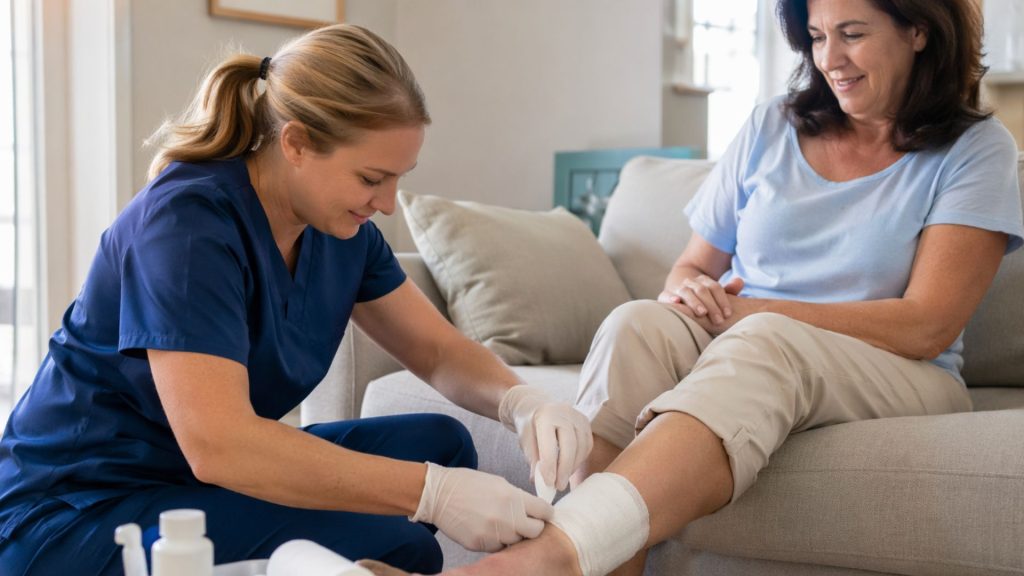
Topical agents are medications or medicated products placed on the wound or surrounding skin. In professional at-home wound care services, topical products are often used to support a safer healing environment, protect fragile tissue, and reduce irritation.
Common examples include petrolatum-based protectants, which help keep wounds moist and reduce scabbing. Some minor wounds may also use short-term topical antibiotics, but these can cause skin irritation or allergy in some people.
Certain antimicrobial or antiseptic products may be recommended for specific situations, but they should be used with care. Some antiseptics can irritate tissue or slow healing if used too often on open wounds.
Silver-based products are used in certain high-risk or infected wounds under clinician guidance, since the goal is to reduce bacterial load without damaging healing tissue.
Medications Used When a Wound Is Infected (Systemic Antibiotics)
Systemic antibiotics are medications taken by mouth or given through a vein to treat infection in the skin and deeper tissues. They are considered when infection signs appear, such as spreading redness, increasing warmth, swelling, worsening pain, pus-like drainage, foul odor, fever, or chills.
In these cases, antibiotics are meant to treat infection that extends beyond the surface of the wound. The choice of antibiotic depends on the likely bacteria, severity, allergies, kidney function, and local resistance patterns.
Clinicians may use wound cultures in certain cases to identify bacteria and guide antibiotic selection. For mild infections, oral antibiotics may be used, while more severe infections may require IV antibiotics and closer monitoring. Antibiotics also work best when paired with proper wound management, such as appropriate dressings and debridement when needed.
A key safety point is to avoid using leftover antibiotics or sharing prescriptions, since incorrect treatment can delay recovery and increase the risk.
Pain and Inflammation Control During Wound Healing
Pain control is part of wound treatment because pain affects movement, sleep, and tolerance of dressing changes.
Common options include acetaminophen for general pain relief, and NSAIDs for pain and inflammation when they are safe for the patient. NSAIDs may not be appropriate for people with kidney disease, stomach ulcer risk, or those taking blood thinners, so individual medical factors matter. Pain control should support function without masking important warning signs.
Pain that increases over time should be treated as a possible red flag rather than “normal soreness.” Worsening pain can suggest infection, pressure injury, or poor blood flow to the area. If pain is rising each day or becomes severe, the wound needs clinical evaluation.
Medications for Itching, Skin Irritation, and Periwound Protection
The skin around a wound, often called the periwound area, can break down from moisture, adhesive irritation, or repeated tape removal. Protecting that skin reduces infection risk because cracked or damaged skin creates new entry points for bacteria.
Common supportive products include barrier creams or ointments such as zinc oxide or dimethicone-based barriers. These products are used on intact skin around the wound, not packed into the wound unless directed by a clinician.
Itching is also common during healing, but scratching can reopen fragile tissue. Some people may use oral antihistamines for itching, but sedation risk matters, especially for older adults who may be at fall risk.
Contact dermatitis from adhesives or topical products can mimic infection with redness and irritation, which is why professional assessment is useful when symptoms persist.
Advanced or Specialty Therapies Sometimes Used in Chronic/Non-Healing Wounds
Some chronic or non-healing wounds require therapies that go beyond standard topical products.
These can include prescription-level treatments that target tissue growth, specialized biologic approaches, or clinician-directed therapies based on wound type.
Device-based therapies such as negative pressure wound therapy may be used in selected wounds to support drainage control and tissue healing. These options are typically chosen after assessment of wound depth, drainage, tissue quality, and underlying causes.
Specialty therapies are not “better” for every wound, and they are not substitutes for basic wound care principles. A wound that continues to stall may need evaluation of circulation, pressure relief, and infection status before advanced therapy is considered.
Because these treatments can be costly and require correct use, they should be guided by trained professionals.
Medications That Are Not Recommended for Routine Home Use (Common Mistakes)
Some products are commonly used at home but are not ideal for routine open-wound care.
Hydrogen peroxide and rubbing alcohol can damage healthy cells that are trying to rebuild tissue, which can slow healing.
Strong iodine-based antiseptics may also irritate tissue when used repeatedly without guidance. These products may have a role in specific situations, but routine use can create more harm than benefit.
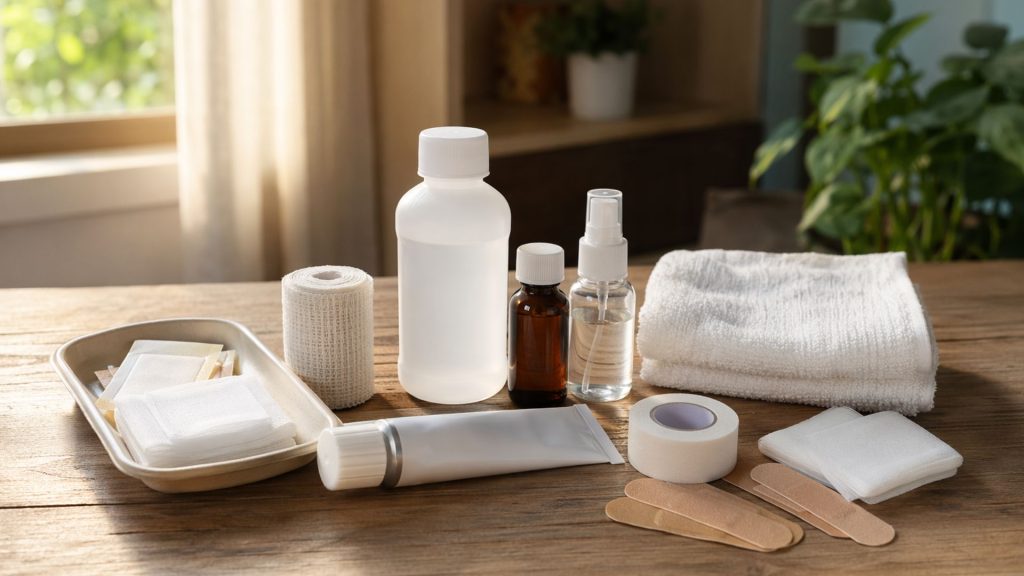
Another common mistake is overusing topical antibiotics on every wound for long periods. Repeated use can lead to skin allergy, irritation, and a false sense of security that delays evaluation when infection begins. Using leftover antibiotics or taking antibiotics without a clear infection diagnosis can also backfire by failing to treat the correct bacteria.
Safe wound care focuses on clean technique, proper dressing choices, and early escalation when warning signs appear.
How Do Clinicians Decide What Medication to Use?
Medication selection starts with one main question: Is the wound infected, or is it healing with normal inflammation?
Clinicians look at the trend in pain, redness, warmth, swelling, drainage, and odor. They also assess wound type and location, since foot wounds and pressure injuries often require closer monitoring. These steps help prevent unnecessary medication and focus treatment on the true barrier to healing.
Patient factors matter just as much as wound factors. Allergies, kidney and liver function, immune status, and current medications all influence safe choices. Clinicians also consider recent antibiotic use and local resistance patterns when infection is suspected.
A key decision principle is reassessment: if a wound is not trending better, the plan should be reviewed rather than repeated unchanged.
When to Seek Professional Care
You should seek medical evaluation when signs of infections appear or worsen. Key warning signs include spreading redness, increasing pain, thick yellow or green drainage, foul odor, fever, chills, confusion, or red streaking from the wound. Deep wounds, bite wounds, and wounds with foreign material also require prompt evaluation. These situations can progress quickly without appropriate treatment.
High-risk groups should escalate sooner rather than later. People with diabetes, poor circulation, immune suppression, or elderly patients with fragile skin have less margin for delay. If a wound is not improving within 1 to 2 weeks or keeps reopening, clinical assessment is important, even without dramatic symptoms.
Professional evaluation helps ensure the medication plan fits the wound’s real needs and risk level.
The Right Medication Depends on the Right Diagnosis
Most wound “medications” fall into three groups: topical agents that support healing, antibiotics used for infection, and symptom-control options that protect comfort and function. Not every wound needs antibiotics, and many wounds heal best with clean care, protection, and careful monitoring. The safest approach is to use medications for specific purposes and to escalate when warning signs appear. Clear decisions and timely evaluation help prevent infection and support reliable healing.We at Inspiring Minds Wound Care provide mobile wound care support in Ohio when home-based treatment fits the care plan. The focus is clinically guided assessment, infection prevention, and clear patient and caregiver instruction. When medication is needed, it should be selected based on symptoms, wound status, and patient factors rather than routine use.