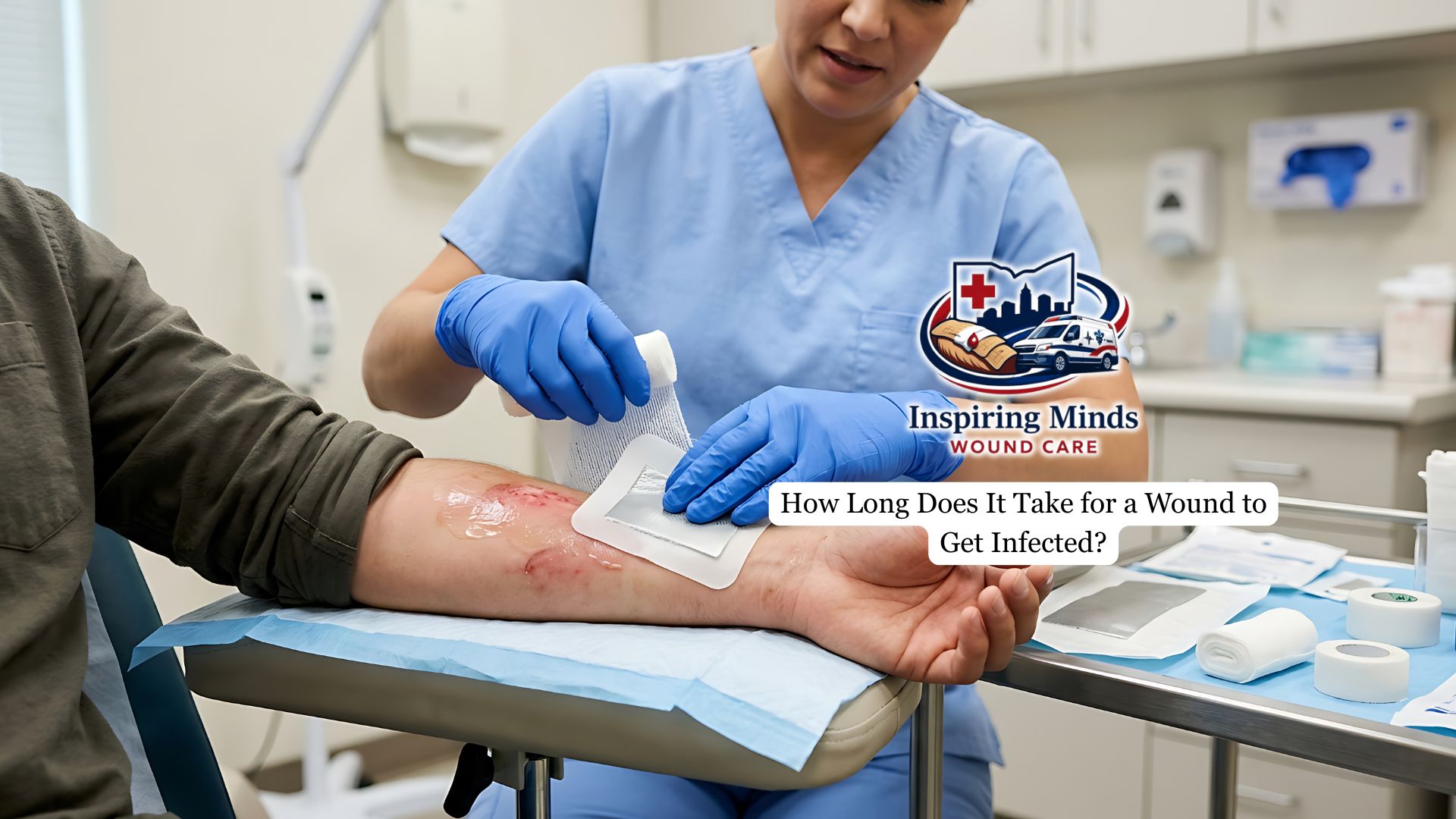
Deciding between DIY wound care and professional help can affect healing time, comfort, and the risk of infection. Some wounds improve with basic care at home, while others need clinical attention to prevent setbacks.
In this article, we explain what DIY care can cover, what professional home wound care includes, and how to choose the safest path based on clear warning signs.
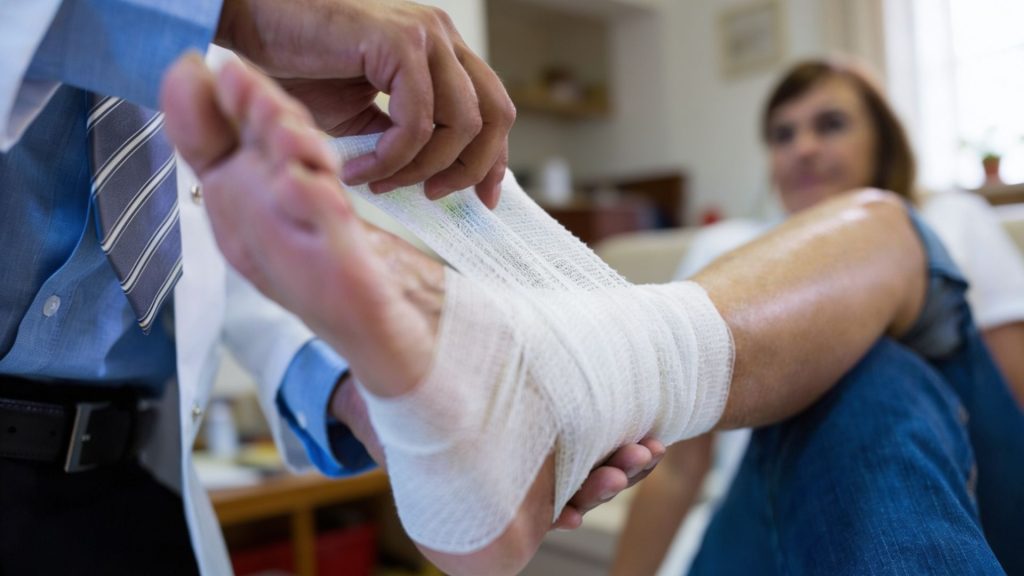
What Is DIY Home Wound Care?
DIY home wound care usually means basic first aid and routine support done by a patient or caregiver. This often includes cleaning a minor cut, applying a simple dressing, and watching for changes that suggest the wound is improving.
For small scrapes, minor burns, and shallow cuts, careful home care can be enough when the wound stays clean and protected. The goal is to support the body’s natural healing without adding irritation or contamination.
DIY care has limits that are important to respect. Home care becomes risky when a wound is deep, heavily draining, located on the foot, or linked to diabetes or poor circulation. A wound can also look “fine” and still be at risk if pain increases or redness spreads. Knowing where DIY fits helps prevent delays that allow a small issue to become a larger infection problem.
What Is Professional Home Wound Care?
Professional wound care services at home mean a trained clinician provides skilled care in the home or care setting. Visits often include a structured assessment, measurements, dressing selection based on the wound’s condition, and monitoring for infection risk.
Clinicians also teach patients and caregivers how to protect the wound between visits, since daily routines can influence healing. This type of care focuses on consistent evaluation and a plan that changes as the wound changes.
Professional home wound care is often used for post-surgical wounds, pressure injuries, diabetic foot wounds, and chronic or non-healing wounds. These wounds may need ongoing monitoring because healing can stall or worsen without clear signs at first. Home visits can also reduce missed appointments for patients who struggle with mobility or transportation. Consistent follow-up supports safer healing and fewer avoidable setbacks.
When and Why Should You Choose Professional Home Wound Care?
Consider the wound’s size and depth, the location, the amount and type of drainage, and whether pain is improving or worsening. Also consider medical risk factors, especially diabetes, circulation problems, and older age with fragile skin. If the wound is not improving within one to two weeks, or if it is worsening at any point, escalation is the safer choice.
When you do seek professional help, having clear information can speed evaluation. It helps to note when the wound started, what care has been used, and whether symptoms like warmth, odor, swelling, or redness have spread.
Many patients benefit when travel is difficult or when wounds require consistent monitoring. Home visits can also support caregiver education, ensuring daily care aligns with the treatment plan.
Getting started usually includes an initial conversation, a review of coverage considerations, and an in-home assessment to understand the wound’s needs. From there, a care plan is developed that includes dressing strategy, follow-up timing, and clear warning signs that require escalation.
The goal is steady improvement with fewer interruptions and fewer preventable complications. Consistent care and clear instructions protect healing between visits.
How Professional Care Reduces Infection Risk
Infections can develop at home when germs enter broken skin, moisture stays trapped, or warning signs are missed between dressing changes. DIY care can accidentally increase risk if hands are not washed well, supplies are reused, or dressings stay wet for too long.
Another common issue is delayed adjustment, where a dressing choice works for one week but becomes a poor fit when drainage changes. Professional care reduces infection risk by catching these problems earlier and correcting them with a clear plan.
Professional clinicians also use cleaner techniques and safer dressing changes, which matters for wounds that heal slowly. They watch for key infection signs such as spreading redness, increasing warmth, worsening pain, thick drainage, and odor changes.
When those signs appear, the care plan can be adjusted and escalated based on the wound’s risk level. This structured approach protects healing because it reduces the time between a warning sign and a clinical response.
Normal Healing vs Warning Signs
Normal healing often includes mild tenderness, mild redness close to the wound, and light drainage in the early phase. As time passes, pain should decrease, drainage should lessen, and the wound should look smaller or more stable.
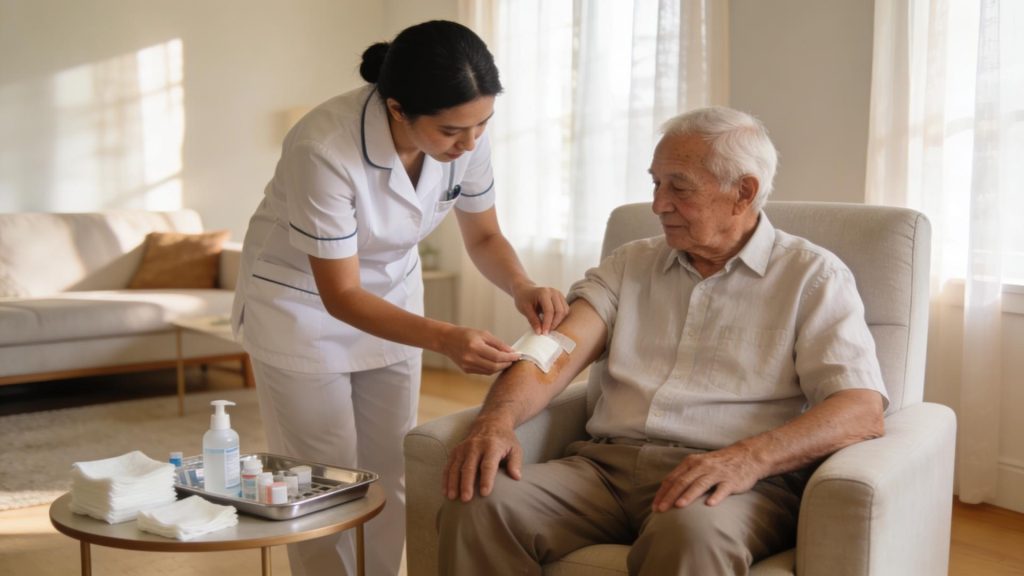
Healing should show a clear direction of improvement every few days, even if progress feels slow. A simple way to monitor this is to compare the wound’s appearance and symptoms across days, not minutes.
Warning signs that should stop DIY care include redness that spreads beyond the wound edges, skin that feels hotter, swelling that increases, and pain that becomes worse rather than better. Thick yellow or green drainage, strong odor, fever, chills, confusion, or red streaking from the wound are more serious signs that need prompt medical attention.
These signs matter because infection can spread into deeper tissue or into the bloodstream. Acting based on clear warning signs is safer than waiting for the wound to “declare itself.”
Dressing Choices
Wounds heal best when moisture is balanced, meaning the wound is protected but not soaked. Dressings are not interchangeable, since some are designed to absorb drainage and others help keep a wound from drying out.
Professionals select dressings based on drainage level, tissue health, wound location, and friction or pressure on the area. This matching process helps protect new tissue and reduce skin breakdown around the wound.
DIY care can backfire when the same bandage is used for every wound and every healing stage. A dressing that sticks can tear fragile tissue during removal, which can reset healing progress.
Tape can also damage skin, especially in older adults with thin or fragile skin. Dressing changes that occur too often can irritate tissue, while those that occur too rarely can trap bacteria in moisture, so timing should match the wound’s needs.
What Professionals See That DIY Often Misses
A major advantage of home-based professional care is real-world assessment. Clinicians can observe bed and chair positioning, mobility patterns, and pressure points that may be damaging skin. They can also see footwear, offloading habits, and daily routines that place stress on the wound. These factors matter because repeated pressure or friction can reopen tissue and raise infection risk.
Prevention steps are often simple but hard to identify without an outside view. Repositioning routines, skin protection barriers, and safer movement techniques can reduce the risk of repeat injury. For people with limited mobility, moisture management and pressure relief can prevent pressure injuries that are difficult to heal.
Prevention works best when it is built into the home routine, since healing has to continue every day.
Cost, Coverage, and Logistics
Many patients think DIY care is always cheaper, but complications can create hidden costs. If a wound becomes infected, treatment can require urgent visits, antibiotics, more advanced dressings, and a longer healing timeline.
Supplies can also add up when a wound is managed without guidance, as trial-and-error often results in wasted products. A structured plan helps reduce unnecessary spending by matching supplies and frequency to the wound’s actual needs.
Coverage rules vary by insurance type, but the practical point is that documentation matters. When home-based professional care is covered, it is often tied to medical necessity and proper clinical orders. Even when coverage is limited, an evaluation can help prevent a costly escalation. Regardless of the pathway, tracking symptoms, drainage, and dressing changes creates a record that supports better decisions.
Conclusion
DIY wound care can be safe for minor wounds when hygiene is strong, and the wound shows steady improvement. Professional home wound care is important when wounds are chronic, high-risk, heavily draining, or showing warning signs of infection. The safest approach is to treat worsening pain, spreading redness, thick drainage, and fever as clear thresholds for escalation. We at Inspiring Minds Wound Care provide mobile wound care in Ohio for patients who need skilled support in the home environment when that approach fits the care plan. Our focus includes assessment, infection prevention, and early recognition of changes that can slow healing. When care matches the wound’s needs, healing is more predictable, and complications are less likely.