ommon, and that can slow healing. The right setting can also affect how well a care plan fits into daily routines, especially for patients who rely on caregivers or mobility support.
In this piece, we compare wound care at home with traditional clinic-based care, focusing on practical benefits and tradeoffs to help make the choice clearer. The goal is to help patients and caregivers understand what changes between settings and why those differences matter.
What Does “Wound Care at Home” Mean?
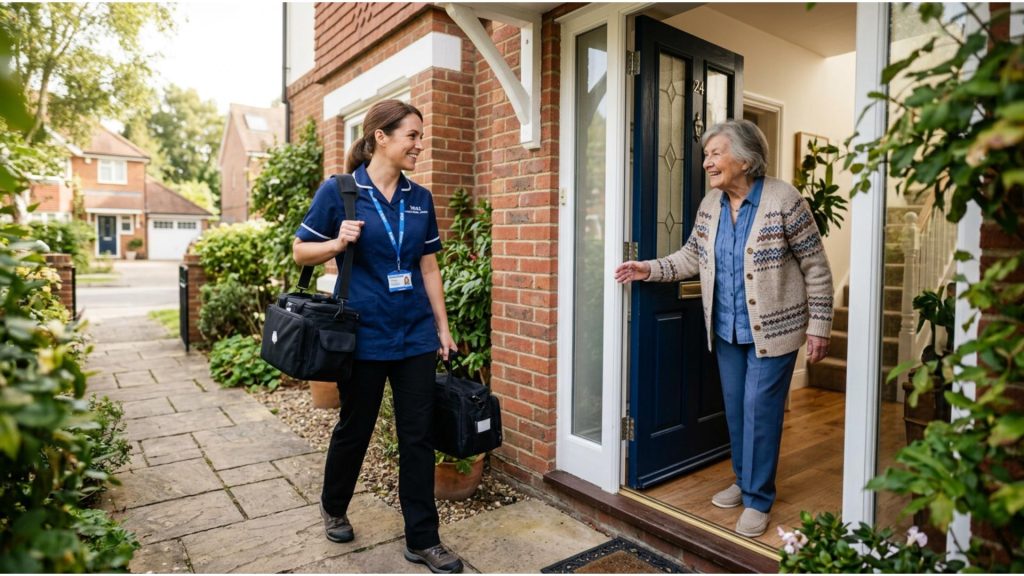
Wound care at home usually means a trained professional comes to the patient’s home or care setting to provide skilled clinical care. Visits often include assessment, measuring the wound, dressing selection, dressing changes, and monitoring for signs that healing is slowing. Education is also part of the visit, since daily habits and skin protection can affect progress. This model reduces travel burden while keeping care consistent.
Home wound care is not 24-hour personal care, and it does not replace emergency treatment when a wound shows warning signs. If there is spreading redness, fever, confusion, sudden swelling, or drainage changes, a higher level of care may be needed.
A good home-based plan includes clear steps for escalation if the wound worsens. Knowing these limits helps families plan support that matches the patient’s needs.
What Does Traditional Clinic-Based Wound Care Typically Involve?
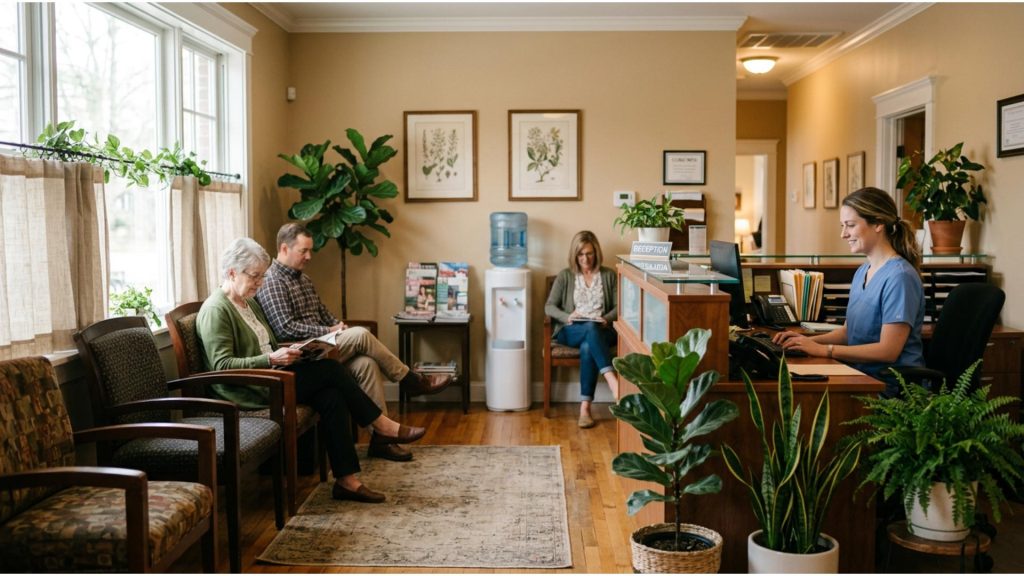
Clinic-based wound care takes place in an outpatient clinic, wound center, or hospital-based clinic. Patients travel in for scheduled visits, and treatment happens during a set appointment window. Many clinics use a structured workflow, which can help with routine follow-ups and documentation. This setting can work well for people who can reliably attend appointments.
Clinic care may be the better fit when a patient needs easy access to on-site resources. Some wounds require frequent in-person procedures, diagnostics, or coordination among multiple specialists.
The tradeoff is that clinic-based care depends on transportation and scheduling, which can lead to missed visits for patients with mobility limits. When follow-ups get interrupted, the wound can lose progress.
At Inspiring Minds Wound Care, we believe that clinic-based care can be a good option when a patient needs services that are best delivered on-site, but home wound care offers major advantages for many people by bringing skilled treatment into a familiar setting, reducing travel strain, and supporting more consistent follow-up when mobility or transportation are barriers.
Comfort and Convenience
Travel can be difficult when someone has pain with walking, limited mobility, or balance issues that raise fall risk. Weather, stairs, and long distances can also create barriers, especially for older adults. Home visits remove many of those obstacles by bringing care into the patient’s daily environment. That reduction in strain can make it easier to stay consistent with follow-up.
Convenience also affects wound care routines. Clinic visits can mean time away from rest, meals, and medications, and the trip itself can cause fatigue. Home care reduces time spent in transit and can keep the patient’s schedule more stable. For many families, fewer logistics also means fewer missed or delayed visits. Fewer delays support steadier monitoring and safer healing.
Provider Continuity and Consistency of Treatment
Home wound care often supports stronger continuity because the same clinician may return for follow-up visits. That matters because wounds change in small ways, and trends are easier to spot when one provider tracks progress over time. Consistent care can also reduce conflicting guidance about dressings and the frequency of changes. Clear, steady instructions help patients and caregivers carry out care between visits.
In clinic settings, provider rotation can be more common. Seeing different clinicians may lead to differences in recommendations, even when each provider is qualified. That variability can confuse caregivers who are trying to follow a plan at home. Continuity supports clearer decision-making and fewer avoidable errors. That can be important for chronic wounds that require careful tracking.
Better Real-World Assessment in the Patient’s Living Environment
Home visits allow clinicians to assess the environment where healing has to happen, which can be especially helpful for elderly patients who spend more time at home and may have limited mobility. With home visits, the specialists can observe the patient’s bed and chair positioning, mobility patterns, and pressure points that may be damaging skin. They may also notice footwear problems, offloading issues, or supply challenges that are hard to see in a clinic. These details often influence whether a wound improves or stalls.
This environment-based view also supports prevention. Small changes to positioning, daily movement, and skin protection can reduce repeat injury. For pressure injuries and diabetic foot wounds, prevention steps protect surrounding skin and reduce the risk of new breakdown. When care fits the patient’s routine, it becomes easier to maintain. That consistency can reduce setbacks tied to daily habits.
Fewer Missed Visits and Fewer Care Interruptions
Missed clinic visits often happen because transportation depends on caregiver availability or medical rides. Pain flare-ups and mobility challenges can also make travel unsafe on certain days. When visits are missed, dressing schedules may drift, and early warning signs may be missed. Delays can raise infection risk and prolong healing.
Healing at home reduces common reasons for missed visits. When follow-ups happen more consistently, clinicians can track progress and adjust care based on what the wound is doing. Early changes are easier to address before they become larger problems. Fewer interruptions also support more accurate monitoring over time. That can lower the risk of complications tied to delayed treatment changes.
When Is a Traditional Clinic or Home Care the Better Choice?
| Factor | Traditional Clinic | Home Care |
| Condition Severity | Acute, complex, or high-risk conditions | Stable, chronic, or post-acute conditions |
| Medical Equipment Needed | Specialized or heavy equipment required | Basic monitoring or portable equipment sufficient |
| Level of Supervision | Requires 24/7 medical oversight | Periodic check-ins or remote monitoring adequate |
| Procedures | Surgical, diagnostic imaging, lab work, infusions | Wound care, medication management, physical therapy |
| Mobility | Patient can travel safely | Patient is homebound or travel is difficult/risky |
| Infection Risk | Controlled clinical environment needed | Reduces exposure to hospital-acquired infections |
| Mental & Emotional Well-being | Structured environment beneficial | Patient recovers better in familiar surroundings |
| Caregiver Support at Home | Limited or no capable caregiver present | Reliable family/informal caregiver available |
| Cost | Higher cost, insurance often covers acute care | Generally more cost-effective for ongoing care |
| Speed of Access | Immediate access to specialists & emergency response | Better for planned, routine, or long-term care |
| Recovery Stage | Early/acute recovery phase | Later recovery or long-term management |
| Patient Preference | Prefer structured, monitored setting | Prefer comfort, independence, and autonomy |
A blended approach is also common. Some patients start in a clinic for evaluation and then transition to home visits for consistent monitoring once a plan is established. Others begin with home care and move into clinic-based care if the wound stops improving or shows warning signs. This flexibility supports continuity while keeping care aligned with the wound’s needs. The right setting is the one that reduces missed care and supports timely adjustments.
Making the Right Choice for Safer, More Consistent Healing
Home wound care and traditional clinic care can both support healing, but each fits different needs. Home care tends to offer comfort, continuity, real-world assessment, and fewer interruptions when travel is a barrier. Clinic care may be the stronger choice when frequent procedures or diagnostics are needed on-site.
We at Inspiring Minds Wound Care provide mobile wound care services in Ohio designed to bring skilled wound support into the home environment when that approach fits the care plan. Our team focuses on consistent assessment, practical care planning, and clear guidance for patients and caregivers so treatment can stay on track between visits.